Timing Your Journey to India’s Gateway to the Gods
Haridwar, where the sacred Ganges emerges from the Himalayan foothills to begin its journey across the Indian plains, offers profoundly different experiences depending on when you visit. This ancient city pulses with varying rhythms throughout the year—sometimes swelling with millions of pilgrims during grand festivals, other times offering tranquil riverside moments for contemplative souls. Understanding these seasonal patterns and festival cycles transforms a good visit into a perfectly timed pilgrimage, ensuring your Haridwar experience aligns with your deepest intentions.
Whether you seek the electric energy of mass devotion during major festivals, the serene intimacy of quiet spiritual practice, or the perfect balance between cultural immersion and comfortable exploration, this comprehensive seasonal guide will help you choose your ideal window for visiting Haridwar and experiencing the exceptional hospitality of Evaara by the Ganges.
Winter Wonderland: November to February
The Season of Perfect Conditions
Winter represents Haridwar’s peak season for good reason. From November through February, the weather achieves near-perfection for temple visits, ghat explorations, and riverside contemplation. Daytime temperatures hover between 15-25°C, while nights can drop to 5-10°C, creating crisp, invigorating air that makes the morning Ganga Aarti especially powerful.
The clear winter skies reveal the Shivalik hills in sharp detail, and on exceptionally clear days, distant Himalayan peaks shimmer on the northern horizon. The Ganges itself flows with crystalline clarity during these months, and the morning mist rising from its surface creates ethereal scenes that photographers and spiritual seekers alike treasure.
This season attracts significant crowds, particularly during December and January when domestic tourists combine spiritual journeys with holiday travel. However, Haridwar never feels overwhelming during winter in the way it does during major festivals. The crowds are manageable, the atmosphere remains devotional rather than chaotic, and accommodations like Evaara by the Ganges provide peaceful sanctuaries away from the bustle.
Winter Festivals and Observances
Kartik Purnima (November) marks an auspicious full moon when bathing in the Ganges carries special merit. Thousands gather at Har Ki Pauri for ritual bathing, but the atmosphere remains celebratory rather than frenzied. The evening Ganga Aarti on Kartik Purnima achieves particular beauty, with devotees releasing countless diyas (oil lamps) onto the river’s surface, transforming the Ganges into a flowing constellation.
Gita Jayanti (December) celebrates the day Lord Krishna delivered the Bhagavad Gita to Arjuna on the battlefield of Kurukshetra. Special readings and discourses occur at temples and ashrams throughout Haridwar, offering opportunities to engage with Hindu philosophy at its most accessible.
Makar Sankranti (January 14-15) signifies the sun’s transition into Capricorn and is considered highly auspicious for holy bathing. This festival draws substantial crowds but remains manageable compared to larger festivals. The ritual bathing at dawn, followed by charitable donations of sesame seeds and jaggery, creates an atmosphere of both devotion and community generosity.
Why Choose Winter at Evaara by the Ganges
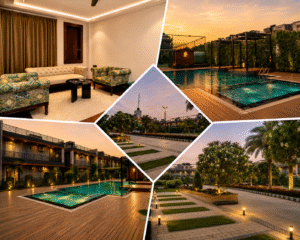
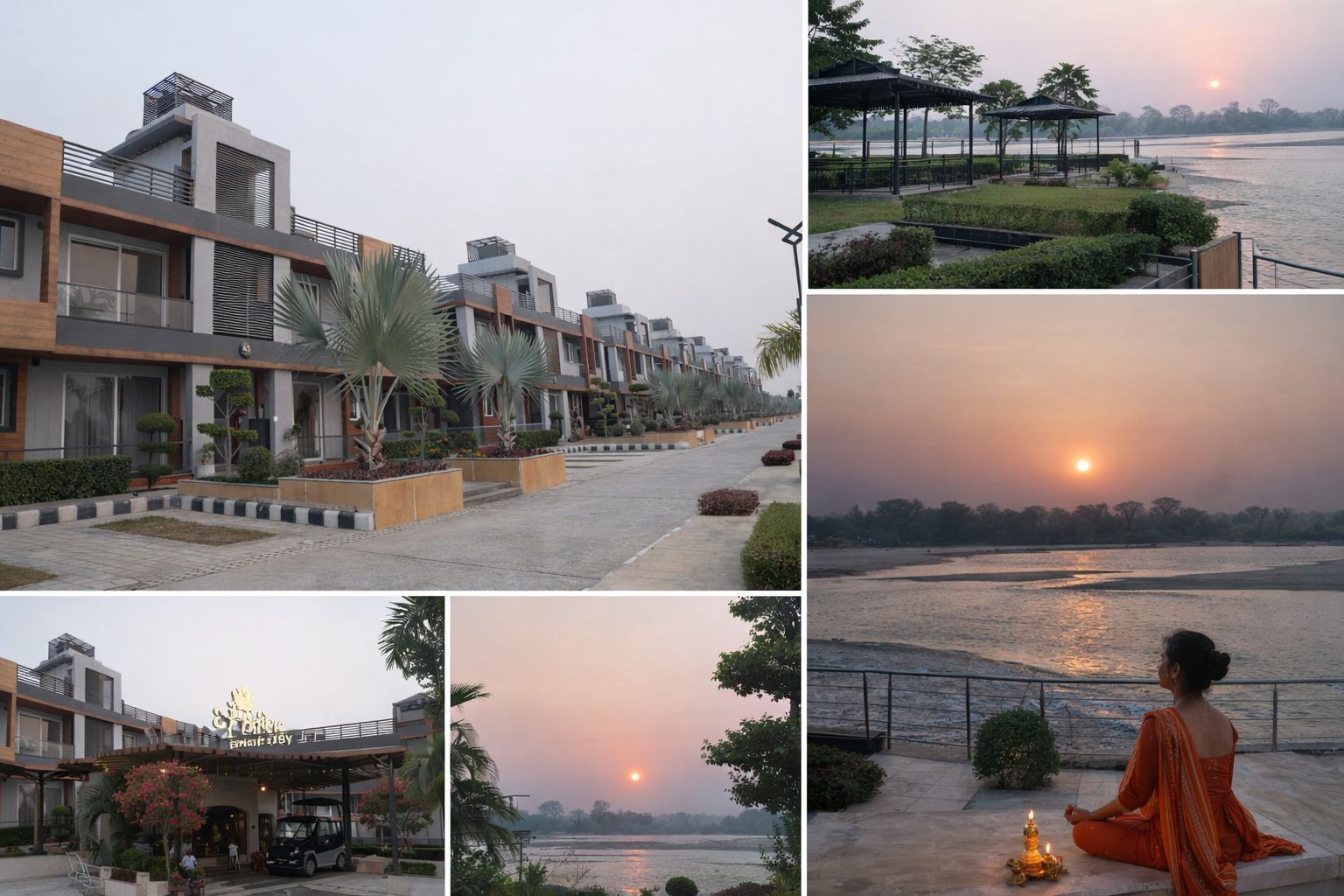
Winter stays at Evaara by the Ganges offer unique advantages. The property’s Ganga-facing lawns become ideal spaces for outdoor yoga and meditation—the cool morning air invigorates practice, while afternoon warmth makes lounging by the river genuinely pleasant. The swimming pool, while refreshing in summer, takes on a different character in winter—early morning swims in cool water followed by warm sunshine create an exhilarating contrast.
The private ghat becomes especially valuable during winter when public ghats see increased traffic. Being able to experience the Ganges intimately, without crowds, during this beautiful season represents a significant advantage. Morning meditations wrapped in warm shawls, watching mist rise from the river as the sun breaks over the hills, become daily rituals that guests treasure long after their visit ends.
Spring Awakening: March to April
The Season of Festivals and Transformation
Spring in Haridwar brings warming temperatures, blooming flowers, and some of the year’s most significant festivals. March and April see daytime temperatures climbing from 20-30°C, creating warm days ideal for exploration while evenings remain pleasantly cool. The landscape transforms with spring blossoms, and the increased water flow in the Ganges as snow begins melting in the high Himalayas adds power and volume to the sacred river.
This season represents perhaps the most culturally rich time to visit Haridwar, as multiple major festivals occur in quick succession, each offering distinct experiences and insights into Hindu devotional life.
Holi: The Festival of Colors
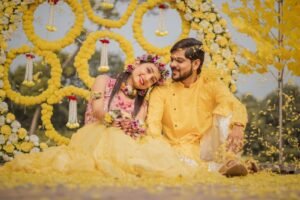
Holi, typically falling in March, transforms Haridwar into an explosion of color, joy, and spiritual celebration. This ancient festival celebrating the victory of good over evil, the arrival of spring, and the divine love of Radha and Krishna creates an atmosphere unlike any other time of year.
Celebrating Holi at Evaara by the Ganges: An Exclusive Experience
For Holi 2026, Evaara by the Ganges has crafted an exceptional three-day package (March 3-5, 2026) that captures the festival’s essence while providing the comfort and authenticity discerning travelers seek.
Day One (March 3rd) begins with traditional arrival from 2:00 PM onwards. Unlike typical hotel check-ins, your welcome becomes a sacred ceremony—Aarti with flickering flames, Tikka blessing your forehead, fresh garlands honoring you as an esteemed guest, and specially prepared detox water beginning your purification journey. This thoughtful welcome immediately establishes that you’re not merely a tourist but a participant in something sacred.
The Indian buffet lunch at Satvaraasa introduces you to regional specialties and festival foods, preparing your palate for the culinary journey ahead. Your afternoon unfolds at leisure across Evaara’s extensive grounds—capture memories at designated selfie points, relax in the riverside gazebo, refresh in the swimming pool, engage in friendly competition at the sports zone, or simply absorb the Ganges’ energy from the expansive lawns.
As evening approaches, the cutting chai served at the stall near the Ganga Ghat offers an authentic touch—this isn’t refined hotel tea but the strong, sweet chai Indians have enjoyed for generations, served in small glasses that encourage conversation and connection. The Ganga Aarti at Evaara’s private ghat follows, providing an intimate spiritual experience before the main event: Holika Dahan.
The Holika Dahan bonfire on the eve of Holi represents the burning of the demoness Holika and symbolizes the destruction of evil. Gathered around the flames with fellow guests, you’ll participate in an ancient ritual that has united communities for millennia. The crackling fire, devotional songs, and collective energy create powerful moments that transcend cultural boundaries.
The multi-cuisine buffet dinner at Satvaraasa concludes your first day, offering diverse options that accommodate all preferences while maintaining the celebratory atmosphere.
Day Two (March 4th) delivers the full Holi experience. After buffet breakfast served until 10:00 AM, the celebration moves to the open lawn overlooking the Ganges, where a rain dance setup awaits. This isn’t your typical Holi—it’s an elevated experience combining traditional color play with contemporary fun, all set against the sacred river’s backdrop.
Refreshing soft drinks keep you hydrated as the celebration begins. The herbal colors provided by Evaara by the Ganges represent a thoughtful touch—these natural, skin-safe colors honor Holi’s traditional practice before synthetic colors became common. Playing with these vibrant powders under the rain dance setup creates uninhibited joy. Barriers dissolve, laughter becomes universal, and for a few magical hours, everyone becomes simply human, celebrating life, color, and connection.
Traditional sweets and snacks served at the venue offer authentic festival flavors—gujiya (sweet dumplings), mathri, namak pare, and other delicacies that define Holi for Indians. These aren’t afterthoughts but integral parts of the celebration, each bite connecting you to generations of festival traditions.
The buffet lunch at the venue ensures you don’t need to leave the celebration to refuel. Evening hi tea provides a gentler interlude before the daily Ganga Aarti reconnects everyone with the spiritual foundation underlying the festivities. The international buffet dinner at Satvaraasa offers welcome variety after a day of traditional foods.
Day Three (March 5th) allows for gentle re-entry to regular life. The vegetarian buffet breakfast nourishes body and soul, while the extended checkout time until 11:00 AM prevents rushed departures. Each guest receives a souvenir—a tangible reminder of their Holi celebration at Evaara by the Ganges.
This exclusive package is priced at INR 16,000 plus GST per room with double occupancy for two nights and three days, representing exceptional value when you consider everything included—all meals, all activities, all ceremonies, and the priceless experience of celebrating Holi beside the sacred Ganges.
Family-friendly pricing makes this accessible for multi-generational travel: children up to 5 years stay complimentary with parents in the same room without extra mattress, children 5-10 years are accommodated for INR 4,000 plus GST with extra mattress, and additional adults can join for INR 6,000 plus GST with extra mattress.
Other Spring Festivals
Navratri (March/April), the nine-night festival honoring the divine feminine, fills Haridwar with devotional energy. Temples conduct special pujas, devotees fast and pray, and the evening Ganga Aartis take on enhanced significance. While not as visually dramatic as Holi, Navratri offers deeper spiritual engagement for those interested in Hindu goddess worship.
Ram Navami, celebrating Lord Rama’s birth, typically occurs during Navratri’s ninth day. Processions, special temple ceremonies, and public readings of the Ramayana create a festive yet devotional atmosphere throughout the city.
Summer Intensity: May to June
The Season of Heat and Fewer Crowds
Summer in Haridwar brings genuine heat—temperatures regularly exceed 35°C and can approach 40°C in May and June. This intensity deters many tourists, creating opportunities for those who can tolerate warmth. The city takes on a different character during summer—quieter, more relaxed, with temple visits and ghat activities concentrated in early morning and evening hours when temperatures moderate.
The Ganges provides welcome relief, and ritual bathing becomes not just spiritual practice but practical necessity. The river’s water remains cool despite air temperatures, and the act of immersing yourself becomes simultaneously purifying and refreshing.
Summer Advantages at Evaara by the Ganges
Summer stays at Evaara by the Ganges gain significant advantages from the property’s amenities. The swimming pool transforms from pleasant luxury to essential comfort—spending hot afternoons in cool water while gazing at the Ganges becomes the perfect Haridwar summer activity. The Ganga-facing lawns, shaded by mature trees, remain usable during mornings and evenings. Air-conditioned rooms at Satvaraasa restaurant make dining comfortable regardless of external temperatures.
The private ghat access proves especially valuable during summer. Public ghats become uncomfortably crowded during the brief morning and evening windows when temperatures moderate. Having private access means you can choose less crowded times for your Ganges interactions, perhaps even late evening when temperatures finally drop and the river takes on mysterious beauty under moonlight.
Monsoon Magic: July to September
The Season of Transformation and Kanwar Yatra
Monsoon transforms Haridwar dramatically. The Ganges swells with mountain runoff, changing from the crystalline blue-green of winter to a powerful brown torrent. Rain washes the air clean, temperatures moderate to comfortable 25-30°C, and the surrounding hills explode with vegetation. This season holds particular beauty for those who appreciate nature’s dramatic moods.
However, monsoon also brings Haridwar’s most intense festival: Kanwar Yatra (typically July-August). Millions of Shiva devotees, called Kanwarias, walk from their homes—sometimes hundreds of kilometers—to collect Ganges water in decorated containers (kanwars) and carry it back to their local Shiva temples. Haridwar becomes the epicenter of this phenomenon, with orange-clad pilgrims filling every street, ghat, and temple.
Kanwar Yatra creates an atmosphere of intense devotion but also significant logistical challenges. The city overflows with pilgrims, many roads close to vehicle traffic, and finding accommodation becomes difficult. Unless you specifically want to witness this extraordinary display of faith, avoiding Haridwar during peak Kanwar Yatra is advisable.
Monsoon Serenity at Evaara by the Ganges
For those visiting during monsoon but outside Kanwar Yatra, Evaara by the Ganges offers shelter and serenity. Watching monsoon rains fall on the Ganges from covered areas of the property, hearing rain drumming on the river’s surface, witnessing the river’s power during this season—these create indelible memories. The private ghat allows safe Ganges interaction even when public ghats become potentially dangerous due to high water and strong currents.
Autumn Glory: October to Early November
The Season of Dussehra and Diwali
Autumn brings relief from monsoon humidity and moderating temperatures, creating another ideal window for visiting Haridwar. October and early November offer comfortable weather, post-monsoon freshness, and two of Hinduism’s most significant festivals.
Dussehra (October) celebrates Lord Rama’s victory over the demon king Ravana. Elaborate effigies of Ravana, his brother Kumbhakarna, and son Meghanada are constructed and burned in spectacular ceremonies throughout Haridwar. The festival atmosphere combines celebration of good’s triumph over evil with cultural performances recreating the Ramayana epic.
Diwali (October/November), the festival of lights, transforms Haridwar into a glowing wonderland. Oil lamps line ghats and temples, fireworks light the sky, and the evening Ganga Aarti becomes especially elaborate. The tradition of releasing floating diyas on the Ganges reaches its zenith during Diwali, creating scenes of breathtaking beauty as thousands of small lights drift downstream.
Autumn at Evaara by the Ganges
Autumn stays at Evaara by the Ganges combine ideal weather with festival celebrations. The property’s grounds provide perfect venues for Diwali celebrations—imagine the Ganga-facing lawns lit by traditional diyas, the river reflecting countless lights, and the atmosphere charged with celebratory energy yet maintaining the peaceful sanctuary character that defines Evaara by the Ganges.
The Ultimate Festival: Kumbh Mela
No discussion of timing Haridwar visits is complete without mentioning the Kumbh Mela, occurring every twelve years with the Ardh Kumbh (half Kumbh) every six years. The next Kumbh Mela in Haridwar is scheduled for 2028. This gathering, recognized as the world’s largest peaceful congregation, draws tens of millions of pilgrims over several months, with peak bathing days (especially Shahi Snan) seeing 10-20 million people at the ghats.
Witnessing Kumbh Mela is extraordinary but requires exceptional advance planning. Accommodations book years ahead, prices increase dramatically, and logistical challenges multiply. For those committed to experiencing this once-in-a-lifetime event, properties like Evaara by the Ganges that can be booked well in advance become essential bases for navigating the overwhelming intensity of Kumbh Mela while maintaining some sanctuary from the chaos.
Choosing Your Perfect Time
Your ideal time to visit Haridwar depends entirely on what you seek. For comfortable weather and manageable crowds, winter (November-February) remains optimal. For festival immersion, time your visit around Holi (March), Dussehra (October), or Diwali (October/November). For fewer tourists and lower costs, consider late spring (May-June) or selective monsoon periods. For the ultimate experience, plan years ahead for Kumbh Mela 2028.
Regardless of when you choose, Evaara by the Ganges provides the perfect foundation for your Haridwar journey—combining prime riverside location, thoughtful amenities, cultural programming during festivals, and the peaceful sanctuary every traveler needs to integrate powerful experiences. The property’s commitment to honoring both sacred traditions and guest comfort means your Haridwar visit becomes everything you hope for, perfectly timed to your intentions and beautifully supported throughout your stay.
Your journey to India’s gateway to the gods awaits—choose your season, book your stay at Evaara by the Ganges, and prepare for experiences that transcend ordinary travel, connecting you to timeless traditions along the eternal Ganges.