

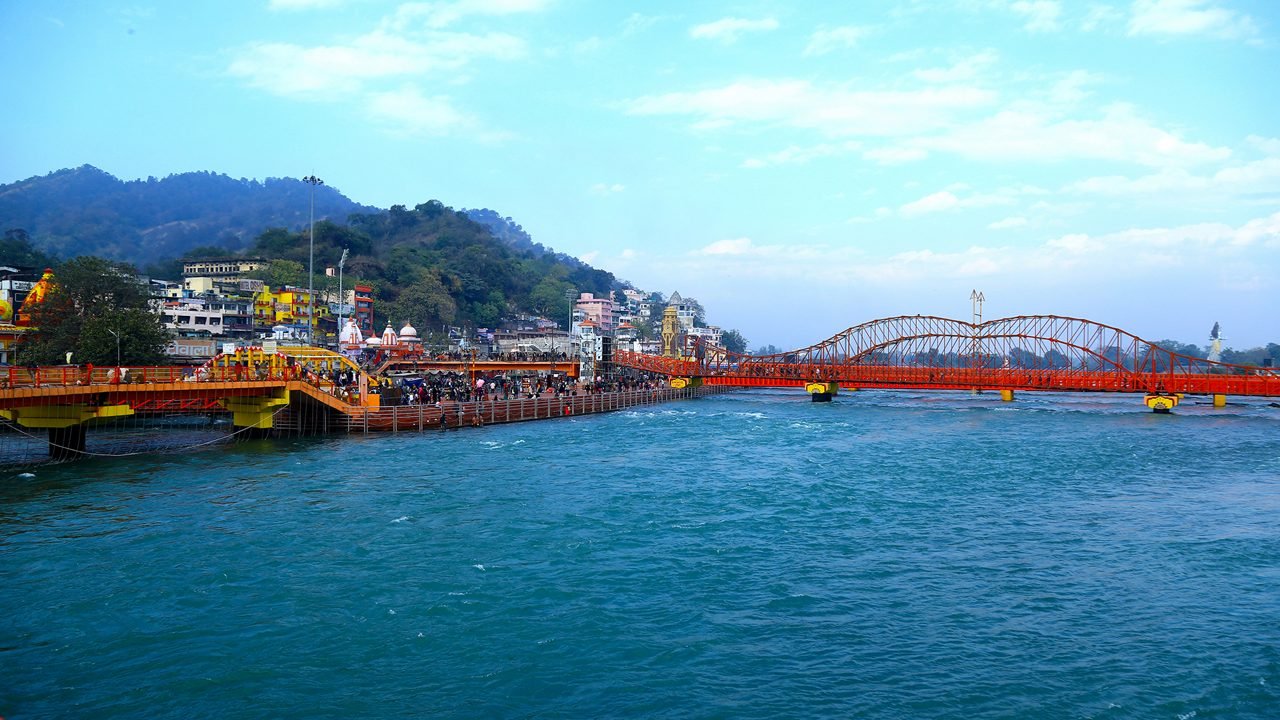
Haridwar remains one of India’s most visited pilgrimage and travel destinations, and for the vast majority of visitors in 2026, it’s a completely safe place to plan a trip. That said, “safe” isn’t a fixed answer here it depends heavily on when you go, what the Ganga is doing that week, and whether you’re traveling during the monsoon or Kanwar Mela rush. This guide breaks down exactly what to check before you book.
The Short Answer
Yes, Haridwar is safe to visit in 2026 but with one important caveat: monsoon season (July–September) requires extra caution this year. As of August 2026, Uttarakhand has seen sustained heavy rainfall, and the Ganga at Haridwar has repeatedly touched or approached the official warning level of 293 metres (danger mark: 294m), with the Irrigation Department and SDRF placed on alert and riverside villages advised to stay clear of the banks. Outside monsoon months, Haridwar is low-risk and straightforward to visit.
Current Ganga & Weather Conditions (2026 Monsoon)
- Water levels have run close to warning mark: In early August 2026, the Ganga at Bhimgoda Barrage in Haridwar was recorded at around 292.5–293 metres, just tens of centimetres below the official warning threshold, driven by heavy rain in the hills and controlled water releases from the Srinagar and Pashulok barrages upstream.
- SDRF, water police, and disaster relief teams are actively deployed at major ghats, using loudspeakers to warn pilgrims and Kanwariyas to stay away from the river’s edge and bathe only at designated, secured ghats.
- Statewide alerts have been active through the season: IMD issued orange and red alerts for very heavy rainfall across Dehradun, Uttarkashi, Tehri, Pauri, Bageshwar, and Haridwar districts, with landslides, road blockages, and temporary highway closures reported on routes like the Yamunotri highway and Mussoorie–Dehradun road.
- Char Dham Yatra movement has been regulated in several stretches, and night travel (8 PM–5 AM) has been restricted in landslide-prone districts as a precaution.
What this means practically: the situation is dynamic and can change within days depending on rainfall upstream. Haridwar town itself (Har Ki Pauri, main market, hotels) is not underwater or evacuated normal life continues but riverbank areas, low-lying ghats, and any onward hill routes (Rishikesh–Badrinath, Uttarkashi, Mussoorie) need active monitoring.
Season-by-Season Safety Breakdown
| Season | Months | Safety Level | Key Considerations |
|---|---|---|---|
| Winter | Nov–Feb | Very safe | Cold mornings, dense fog possible in Dec–Jan; best overall visibility and comfort |
| Summer | Mar–Jun | Safe | Heat (up to 40°C+) is the main risk; stay hydrated, avoid midday sun |
| Monsoon | Jul–Sep | Caution advised | Ganga water level, landslide risk on hill routes, road disruptions; check daily advisories |
| Post-monsoon | Oct | Safe | River levels recede, pleasant weather, good sightseeing conditions |
Practical Safety Tips for Visiting in 2026
1. Check the Ganga water level before you go, and daily during your stay The UP Irrigation Department and district administration issue regular updates. If you’re near Har Ki Pauri or any ghat, follow posted signage and any loudspeaker announcements from SDRF/police these are issued specifically when levels rise.
2. Bathe only at designated, barricaded ghats Authorities have been explicit this monsoon: stick to secured, pucca (paved) ghats for any river dip, and avoid wading in during high-flow periods, even if the water looks calm on the surface. Currents get significantly stronger and less predictable when upstream barrages release water.
3. Avoid riverside walks or photos right at the water’s edge during heavy rain spells This is when sudden level rises are most likely, especially in the afternoon and evening after upstream rainfall.
4. If continuing toward the hills (Rishikesh, Dehradun, Mussoorie, Char Dham routes), check road status same-day Landslides and temporary closures have occurred multiple times this season on hill roads. Confirm your route is open before departure rather than relying on older information.
5. Keep flexible plans during Kanwar Mela or other peak pilgrim periods Aside from weather, large crowds change the safety calculus expect traffic diversions, restricted vehicle access near Har Ki Pauri, and longer travel times.
6. Follow official channels, not just word-of-mouth Uttarakhand’s disaster management and district administration issue real-time advisories; local news (Hindi regional outlets especially) tends to report changes fastest.
7. Choose accommodation slightly away from the immediate riverbank if visiting in peak monsoon Hotels and resorts a short distance from the ghats offer the same access to Haridwar’s attractions with less exposure to any localized flooding in low-lying zones.
Is Haridwar Safe for Families, Solo Travelers, and Senior Citizens?
Generally, yes. Haridwar is a well-policed pilgrimage town with a strong tourism infrastructure, prepaid transport options, and no unusual crime concerns beyond standard travel precautions (watch belongings in crowded areas like Har Ki Pauri during aarti). The primary safety variable in 2026 isn’t crime or infrastructure — it’s monsoon weather and river conditions, which are manageable with basic awareness and flexibility.
Bottom Line
Haridwar in 2026 is safe to visit for the majority of the year, and even during the current active monsoon, the town itself remains functional and welcoming. The one real precaution is respecting the Ganga during high-water periods stay off unguarded riverbanks, follow SDRF and administration guidance at the ghats, and check road conditions before any onward hill travel. Time your visit outside July–September if you prefer zero weather-related uncertainty, or simply stay informed day-to-day if you’re visiting now.