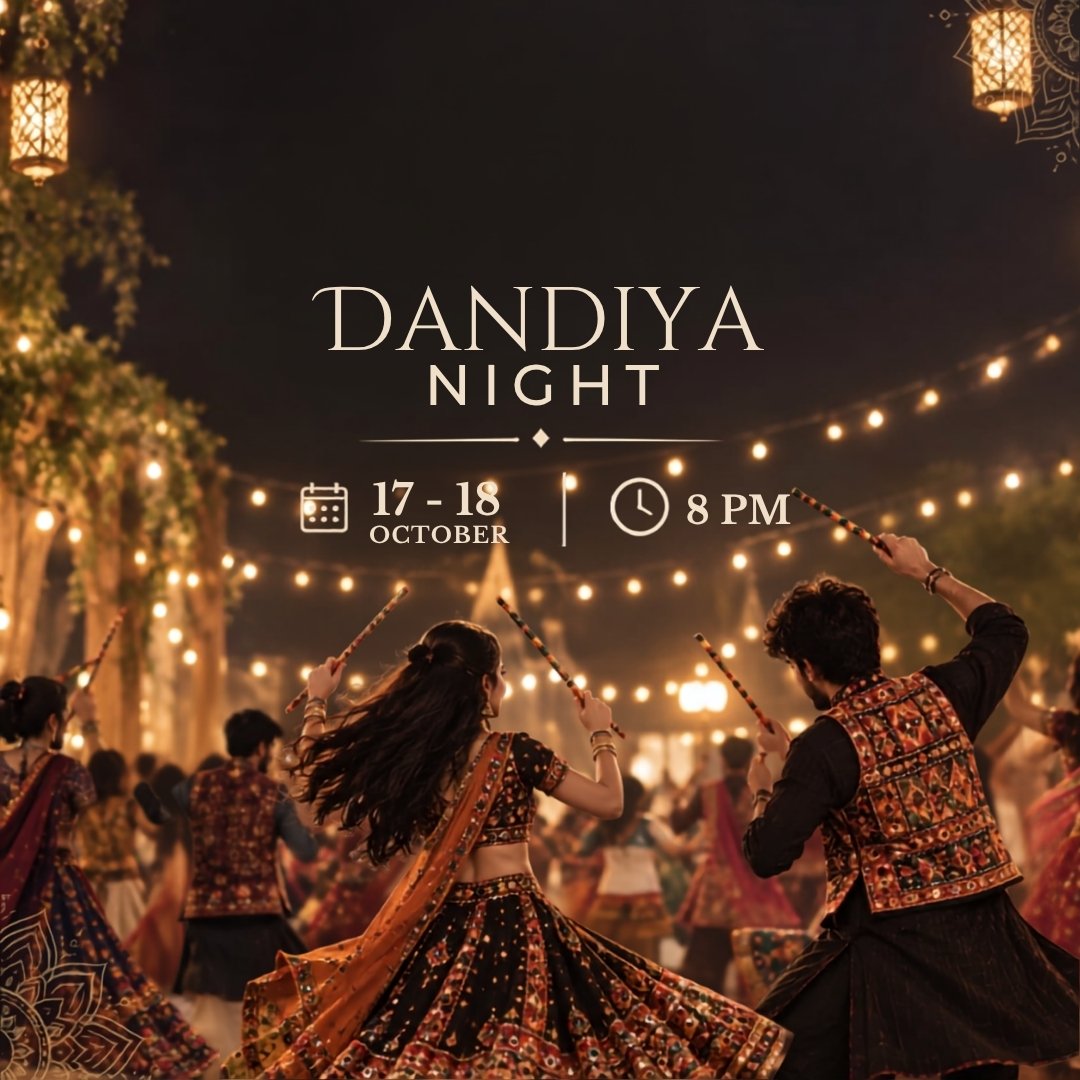
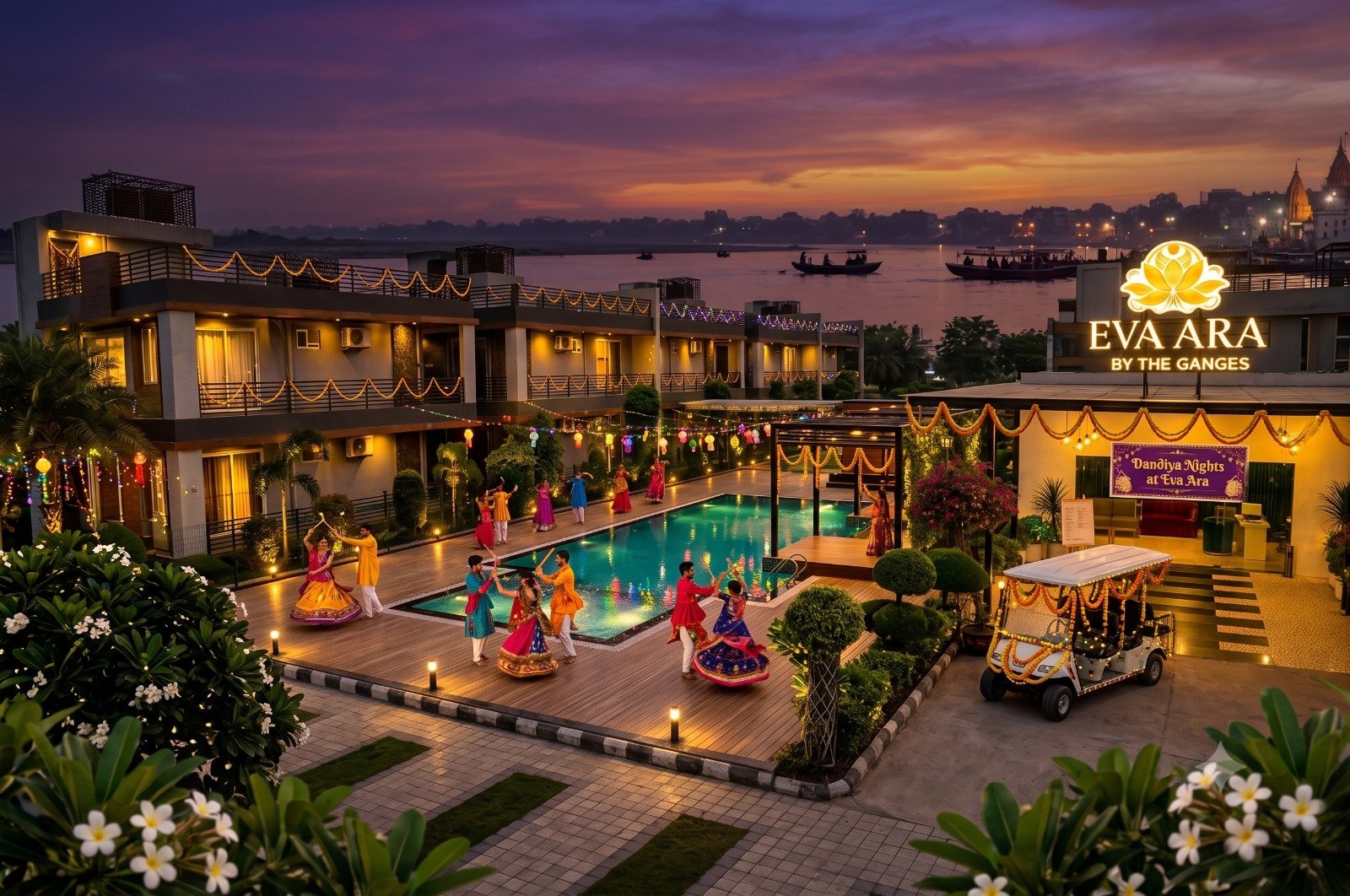
As the autumn chills begin to settle across India in 2026, the rhythmic claps of Garba and the synchronized beats of Dandiya sticks will soon fill the air once again. Navratri — the nine-night festival honoring Goddess Durga — isn’t just about spectacular celebrations; it’s an invitation to connect with our spiritual roots, community bonds, and the divine feminine within and around us. This year, let’s move beyond the surface-level celebrations and embrace Navratri 2026 with both joy and profound purpose.
Navratri 2026: Key Dates & Schedule
Mark your calendars! Navratri 2026 promises to be particularly special, with several weekend dates falling perfectly for extended celebrations. Based on Vedic calculations and religious calendars:
| Navratri 2026 Elements | Details |
|---|---|
| Sharad Navratri (Main Garba Festival) | 28 September – 7 October 2026 |
| Alternative Dates (Regional Variations) | 11–20 October 2026 |
| Dussehra (Vijayadashami) | 21 October 2026 |
| Ghatasthapana (Start Ritual) | Dawn of Pratipada day |
Why the Date Variation? Different regions follow slightly different Vedic calculations. Traditional calendars show 28 September – 7 October 2026, while many modern event organizers and city celebrations plan for 11–20 October 2026, especially in Mumbai, Delhi, and other metropolitan areas where commercial Garba events are scheduled around weekends.
Weekend Highlights: The festival opening falls on a Monday (28 September) or Sunday (11 October on alternative calendar), with middle and closing weekends offering perfect opportunities for extended celebration.
Understanding Garba: More Than Just Dance
The Spiritual Essence
Contrary to popular perception, Garba is fundamentally a sacred ritual, not merely entertainment. The term “Garba” derives from the Sanskrit word “Garbha” meaning womb or embryo. Traditionally, devotees perform circular dances around a clay pot called “Garbha Deep” — an earthen lamp symbolizing the womb of the Divine Mother, with the flame representing the life growing within.
Every Circle Tells a Story:
- Cosmic Replication: The concentric circles of Garba dancers represent the cosmos — heavenly bodies orbiting the Divine Center
- Cellular Mirror: The circles also symbolize the movement of electrons around the nucleus in an atom
- Life Cycle: The continuous movement embodies birth, life, death, and rebirth
Traditional vs. Contemporary Garba
| Traditional Garba | Contemporary Celebrations |
|---|---|
| Performed around clay lamp or Goddess idol | Often performed around professional stage setups |
| Barefoot as symbolic surrender of ego | May include elaborate footwear |
| Primarily devotional hymns | Mix of traditional and Bollywood music |
| Community-focused, often free | Commercial events with ticket systems |
| Focus on spiritual connection | Often entertainment-focused |
Dandiya Raas: The Battle Between Dharma & Adharma
While Garba honors the Divine Feminine through circular movement, Dandiya Raas recreates Goddess Durga’s battle against the demon Mahishasura.
Symbolic Significance
- The Sticks as Weapons: The colorful Dandiya sticks represent Durga’s swords — tools of destruction against negativity and evil
- Partner Engagement: The partner-to-partner tapping symbolizes community solidarityagainst shared challenges
- Rhythmic Discipline: The synchronized rhythmic patterns represent order triumphing over chaos
The Nine Nights Journey
Navratri honors the nine forms of Goddess Durga, each representing different aspects of divine energy:
| Day | Goddess Form | Garba & Dandiya Significance |
|---|---|---|
| Day 1 | Shailputri | Foundation setting, establishing spiritual intention |
| Day 2 | Brahmacharini | Beginning the spiritual journey with determination |
| Day 3 | Chandraghanta | Removing obstacles, purifying intentions |
| Day 4 | Kushmanda | Cultivating energy and vitality for celebration |
| Day 5 | Skandamata | Nurturing the “mother energy” within all |
| Day 6 | Katyayani | Fighting internal and external evil |
| Day 7 | Kalaratri | Confronting darkest fears and limitations |
| Day 8 (Maha Ashtami) | Mahagauri | Purification and complete transformation |
| Day 9 (Maha Navami) | Siddhidatri | Achieving spiritual accomplishment |
Celebrating Navratri 2026 with Purpose: A Three-Part Approach
1. Spiritual Purpose: Connect with the Divine Feminine
Create Your Personal Sadhana (Spiritual Practice):
- Morning Meditation: Dedicate 15 minutes each morning to connect with each day’s specific Goddess energy
- Intention Setting: Begin each Navratri day with a specific intention relevant to that Goddess aspect
- Evening Reflection: After Garba/Dandiya, reflect on how you channeled that day’s divine energy
Meaningful Participation:
- Understand the lyrics and meanings of traditional Garba songs
- Perform at least some Garba circles around a traditional Garbha Deep when possible
- Begin your evening with a moment of prayer or gratitude before dancing
2. Cultural Purpose: Honor Heritage & Community
Learn the Deeper Cultural Layers:
- History: Understand Garba’s origins in Gujarat’s folk traditions
- Regional Variations: Explore how different communities celebrate uniquely
- Musical Heritage: Appreciate the traditional instruments — dhol, tabla, harmonium
Community Building:
- Participate in community rather than just commercial events
- Help organize celebrations for those who might not otherwise participate
- Share the spiritual significance with newcomers and younger generations
3. Personal Purpose: Self-Transformation Through Celebration
The Nine-Day Personal Transformation Framework:
| Day | Personal Focus Area | Garba/Dandiya Application |
|---|---|---|
| 1–3 | Destroying Negativity | Letting go of limiting beliefs while dancing |
| 4–6 | Creating Positivity | Building new energy and enthusiasm |
| 7–9 | Integrating Transformation | Bringing your celebratory energy into daily life |
Major Garba & Dandiya Events in 2026
Mumbai Highlights (Based on BookMyShow Listings)
| Event | Venue | Dates | Special Features |
|---|---|---|---|
| Navratri Utsav 2026 with Falguni Pathak | Jio World Convention Centre, BKC | 11–19 Oct | The legendary “Garba Queen” in concert |
| Dome Dandiya Nites 2026 | DOME, SVP Stadium, Worli | 15–20 Oct | Large-scale professional production |
| Korakendra Navratri 2026 | Kora Kendra Ground-1, Borivali | 11–20 Oct | With popular singer Kinjal Dave |
| Garba Dhoom | Infiniti Mall, Malad | 11–21 Oct | Affordable family-friendly option |
| NAVRANG GARBA | Le Meridien, Navi Mumbai | 11–19 Oct | Luxury hotel experience |
Traditional vs. Commercial Events
Choose based on your celebration purpose:
Traditional Community Celebrations:
- Often held in housing societies, community centers, or temples
- Usually free or nominal cost
- Focus on devotional aspects
- Intergenerational participation
Commercial Productions:
- Professional lighting, sound, and stage setups
- Celebrity singers and performers
- Ticket-based entry
- Often more entertainment-focused
Attire with Meaning: Traditional vs. Contemporary
Women’s Attire: Channeling Divine Energy
| Traditional Significance | Modern Expression |
|---|---|
| Chaniya Choli: Three-piece outfit representing body, mind, and spirit unity | Designer Lehengas: Contemporary cuts with traditional embroidery |
| Chunky Jewelry: Symbolizing abundance and divine adornment | Statement Pieces: Balance traditional with modern aesthetics |
| Bindi & Vermilion: Representing the third eye and spiritual awakening | Creative Bindis: Artistic expressions of tradition |
| Jutti/Mojari: Traditional footwear for grounded celebration | Comfortable Alternatives: Modern shoes that respect tradition |
Men’s Attire: Celebrating with Dignity
- Kurta-Pajama/Dhoti: Traditional comfort and elegance
- Bandhgala/Sherwani: For formal celebrations
- Color Coordination: Traditionally, certain colors align with specific Navratri days
Preparing for Navratri 2026: A Month-by-Month Guide
3 Months Before (June–August 2026)
- Research and book tickets for major commercial events (they sell out quickly!)
- Begin learning basic Garba/Dandiya steps through online tutorials or local classes
- Start exploring traditional music and understanding lyrical meanings
2 Months Before (September 2026)
- Finalize attire shopping/designing
- Plan your nine-day spiritual intention framework
- Connect with community organizers about local celebrations
- Begin incorporating basic daily spiritual practices to prepare
1 Month Before (Early September 2026)
- Finalize all logistics and bookings
- Create your personal Navratri calendar with daily focuses
- Organize group participation with friends/family
- Begin listening to traditional Garba music daily to attune
Mindful Celebration Guidelines for Navratri 2026
Safety & Respect
- Respect Sacred Space: Even at commercial events, maintain awareness these are religious celebrations
- Cultural Appropriation Awareness: Participate respectfully, especially if not from the culture
- Physical Safety: Stay hydrated, know your limits in crowded spaces
- Digital Minimalism: Experience the celebration directly rather than through screens
Environmental Consciousness
- Choose traditional attire that can be worn multiple times rather than fast fashion
- Participate in community clean-up initiatives post-celebration
- Support locally-sourced food and decoration vendors
- Minimize single-use plastic during celebrations
Intergenerational Connection
- Invite elders to share their Navratri memories and traditions
- Teach younger generations the spiritual meanings behind celebrations
- Create family rituals around the nine nights
- Document family celebrations meaningfully
Beyond the Dance: Social Impact Initiatives
Navratri 2026 can be celebrated with social consciousness:
Charitable Garba
- Donation-Based Entry: Events where ticket proceeds support local charities
- Food Drives: Collecting food donations as “entry fee”
- Skill Development: Teaching underprivileged youth traditional arts
Cultural Preservation
- Supporting traditional musicians and artisans
- Documenting elder community members’ knowledge
- Creating community archives of traditional celebrations
Sustainable Celebrations
- Eco-friendly decorations and materials
- Waste reduction initiatives
- Local vendor support over commercial chains
Technology & Navratri 2026: Meaningful Integration
Digital Dharma: Using Technology Wisely
- Live Streaming for elderly or distant family members
- Virtual Garba Tutorials for learning traditional steps
- Digital Archives of community celebrations
- App-Based Prayer/Meditation Guides for daily sadhana
Avoiding Digital Distraction
- Setting “phone-free” periods during celebrations
- Prioritizing in-person community over virtual validation
- Using technology to enhance, not replace, traditional experience
Navratri 2026 for Different Audiences
For Families with Children
- Educational Elements: Teach children about the nine Goddess forms through stories
- Simple Rituals: Age-appropriate daily prayers and activities
- Creative Expressions: Drawing, crafting activities related to each day
- Safe Participation: Child-friendly events and timing
For Spiritual Seekers
- Retreat Options: Some ashrams offer Navratri spiritual retreats
- Traditional Observance: Fasting, meditation, and scripture study
- Community Service: Kanya Pujan (honoring young girls as Goddess forms)
For Cultural Enthusiasts
- Artisan Support: Purchasing directly from traditional craftspeople
- Culinary Exploration: Traditional fasting foods and regional specialties
- Musical Appreciation: Learning about traditional instruments and compositions
The Afterglow: Integrating Navratri Energy into Daily Life
The true purpose of Navratri reveals itself in how we carry its energy forward:
Post-Navratri Integration Practices
- Daily Remembrance: Incorporate one Navratri-inspired practice into daily routine
- Community Sustenance: Maintain connections made during celebrations
- Continuous Learning: Deepen understanding of traditions year-round
- Service Orientation: Channel celebratory energy into community service
Planning for Navratri 2027
Begin immediately after Navratri 2026 ends:
- Reflection Journaling: What worked, what to improve
- Skill Development: Areas to develop before next year
- Community Building: Strengthening celebration networks
- Tradition Documentation: Recording family/community practices
Frequently Asked Questions (FAQs)
Q: When exactly is Navratri 2026? A: There are two main date ranges: Traditional Vedic calendar shows 28 September – 7 October 2026, while many commercial events are planned for 11–20 October 2026. Check local community celebrations for specific dates.
Q: What’s the difference between Garba and Dandiya? A: Garba is circular dance around a sacred lamp or Goddess idol, often performed in the earlier Navratri nights. Dandiya uses sticks and represents Durga’s battle with Mahishasura, usually performed later in the festival.
Q: Can non-Hindus participate in Garba/Dandiya celebrations? A: Yes, with respect and cultural sensitivity. Understanding the spiritual significance and participating respectfully is key. Many communities welcome respectful participation from all backgrounds.
Q: What should beginners know before attending Garba events? A: Start with basic step tutorials online, wear comfortable attire, stay hydrated, respect the sacred nature of the celebration, and don’t worry about perfection — focus on joyful participation.
Q: How can we celebrate Navratri meaningfully if we can’t attend large events? A: Create home celebrations with family, virtual gatherings with distant loved ones, community temple visits, personal meditation practices focusing on the nine Goddess forms, and supporting local artisans.
Q: What are the traditional colors for each Navratri day? A: Each day has associated colors honoring specific Goddess aspects, though practices vary. Many devotees wear the day’s designated color as a form of devotional focus.
Conclusion: Your Invitation to Purposeful Celebration
Navratri 2026 offers more than just nine nights of festive revelry — it provides a structured opportunity for spiritual renewal, cultural reconnection, and personal transformation. Whether you’re attending Mumbai’s grand commercial productions, participating in neighborhood community gatherings, or creating intimate home celebrations, each circle danced, each stick tapped, and each prayer offered becomes part of something larger: the eternal celebration of light over darkness, good over evil, and divine energy over human limitation.
This Navratri, may your joy be deep, your purpose clear, and your celebrations filled with meaning that resonates long after the final Aarti has been performed and the last dance circle has dispersed.
The Goddess awaits — not just in temples, but in every circle of community, every beat of the dhol, and every heart opened to her divine energy.As the autumn chills begin to settle across India in 2026, the rhythmic claps of Garba and the synchronized beats of Dandiya sticks will soon fill the air once again. Navratri the nine-night festival honoring Goddess Durga — isn’t just about spectacular celebrations; it’s an invitation to connect with our spiritual roots, community bonds, and the divine feminine within and around us. This year, let’s move beyond the surface-level celebrations and embrace Navratri 2026 with both joy and profound purpose.