Once every six years, the ancient city of Haridwar transforms into the spiritual heartbeat of the entire world. The Ardh Kumbh Mela 2027 is set to unfold on the sacred banks of the Ganga from January 14 to April 20, 2027 — spanning 97 extraordinary days of devotion, rituals, and spiritual awakening.
An estimated 170 million pilgrims are expected to gather at Har Ki Pauri during this sacred congregation, making it one of the largest peaceful human gatherings on Earth. Whether you are a devout pilgrim, a spiritual seeker, or a curious traveler, Ardh Kumbh Mela 2027 promises an experience that transcends the ordinary and touches the divine.
What is Ardh Kumbh Mela?
The word Kumbh means “pitcher” and Mela means “fair” or “gathering.” According to Hindu tradition, the Kumbh Mela is rooted in the ancient legend of Samudra Manthan — the churning of the cosmic ocean by gods and demons in search of Amrit, the nectar of immortality. As the gods fled with the sacred vessel, drops of Amrit fell at four sacred locations across India — Haridwar, Prayagraj, Nashik, and Ujjain — which now serve as the four Kumbh Mela sites.
Ardh Kumbh, meaning “Half Kumbh,” is celebrated every six years at Haridwar and Prayagraj. While a “half” event in name, it carries the full religious weight and spiritual significance for millions of devotees.
Haridwar holds a uniquely sacred position in the Kumbh tradition because it stands at the precise point where the Ganga descends from the Himalayas and enters the plains — a transition point between the divine and earthly realms.
UNESCO Recognition: Kumbh Mela was inscribed on UNESCO’s Representative List of the Intangible Cultural Heritage of Humanity in 2017, recognizing its unparalleled cultural and spiritual significance.
Ardh Kumbh Mela 2027: Official Dates at a Glance
The Ardh Kumbh Mela 2027 runs from January 14 to April 20, 2027, featuring 10 major bathing festivals, including 3 Amrit Snans — the most sacred royal bathing occasions of the entire event.
| # | Date | Festival / Occasion | Category |
|---|---|---|---|
| 1 | January 14, 2027 | Makar Sankranti | Major Snan (Opening Day) |
| 2 | February 6, 2027 | Mauni Amavasya | Major Snan |
| 3 | February 11, 2027 | Basant Panchami | Major Snan |
| 4 | February 20, 2027 | Magh Purnima | Major Snan |
| 5 | March 6, 2027 | Maha Shivratri | ✨ Amrit Snan |
| 6 | March 8, 2027 | Phalguna Amavasya | ✨ Amrit Snan |
| 7 | April 7, 2027 | Nav Samvatsar (Hindu New Year) | Major Snan |
| 8 | April 14, 2027 | Mesh Sankranti / Baisakhi | ✨ Amrit Snan |
| 9 | April 15, 2027 | Shri Ram Navami | Major Snan |
| 10 | April 20, 2027 | Chaitra Purnima | Final Snan (Closing Day) |
Note: The three Amrit Snan dates — March 6, March 8, and April 14 — are the most spiritually significant bathing days. Expect the largest crowds, tightest security, and most elaborate akhara processions on these dates. Plan well in advance.
Understanding Amrit Snan: The Sacred Royal Bath
What is Amrit Snan?
Amrit Snan — formerly known as Shahi Snan (Royal Bath) — is the ceremonial bathing ritual that forms the spiritual pinnacle of the Kumbh Mela. On these designated days, the akharas (Hindu monastic orders) lead grand processions to the Ganga ghats, with Naga Sadhus and saints taking the first holy dip.
Why is Amrit Snan So Significant?
According to Hindu belief, the waters of the Ganga carry extraordinary spiritual potency during Kumbh’s precise planetary alignments. Bathing during Amrit Snan is believed to:
- Cleanse all accumulated sins across multiple lifetimes
- Break the cycle of birth, death, and rebirth (samsara)
- Open the path to Moksha (liberation)
- Bestow divine blessings from the saints and akharas
The 3 Amrit Snan Dates Explained
1. Maha Shivratri — March 6, 2027 The Great Night of Lord Shiva is considered one of the most auspicious nights in the Hindu calendar. On this day, akharas perform grand ceremonial processions to Har Ki Pauri before the sacred dip. The atmosphere resonates with chants of “Har Har Mahadev” as hundreds of thousands gather for this transformative bath.
2. Phalguna Amavasya — March 8, 2027 The new moon day in the month of Phalgun holds deep religious significance for ancestral rites and liberation. Devotees believe bathing on this Amavasya during Kumbh dissolves negative karma and brings peace to departed ancestors.
3. Mesh Sankranti / Baisakhi — April 14, 2027 This is historically the single most sacred day of the entire Haridwar Kumbh. When the Sun transitions into the zodiac sign of Aries (Mesh), it is considered the most astronomically and spiritually powerful moment of the entire mela. Experts estimate 10–15 million pilgrims may gather on this day alone — a sight that is nothing short of miraculous.
Sacred Rituals & Spiritual Practices at Ardh Kumbh Mela
1. Snan (Holy Dip)
The central and most essential ritual of Kumbh. Pilgrims immerse themselves three times in the Ganga while chanting mantras. The sacred act is believed to cleanse sins, purify the soul, and initiate a path toward liberation. Har Ki Pauri is the most revered ghat for this ritual.
2. Shahi / Amrit Snan Procession (Peshwai)
The grand ceremonial procession of akharas is one of the most visually spectacular events at Kumbh. Naga Sadhus, saints, and saffron-clad monks march in elaborate formation toward the ghats amidst flowers, elephants, chariots, and the sound of drums and conch shells.
3. Ganga Aarti at Har Ki Pauri
Every evening, the sacred Ganga Aarti transforms Har Ki Pauri into a sea of golden light. Priests perform elaborate fire rituals with large oil lamps, incense, and conch shells as thousands of diyas (earthen lamps) are released onto the river. During Kumbh, this experience is amplified to an almost transcendent level.
4. Pind Daan (Ancestral Offering)
A deeply meaningful ritual performed on the banks of the Ganga to honor departed ancestors. Rice balls mixed with sesame, milk, and ghee are offered to the river with Vedic mantras, believed to guide ancestral souls to peace and liberation.
5. Deep Daan (Lamp Offering)
At dusk, devotees float earthen lamps (diyas) on the surface of the Ganga, creating a breathtaking river of flickering light. This ritual symbolizes dispelling the darkness of ignorance and inviting divine blessings into one’s life.
6. Mundan (Sacred Head Shaving)
One of the most transformative personal rituals at Kumbh. The ritual shaving of hair symbolizes the renunciation of ego, pride, and worldly attachments — and signals the beginning of a spiritually purified existence. It is performed for both adults and children.
7. Satsang & Spiritual Discourses
Throughout the mela, saints, spiritual leaders, and scholars conduct satsangs (spiritual gatherings) and religious discourses across hundreds of temporary camps and akharas. Attending these sessions offers pilgrims profound insights into Hindu philosophy, life, and devotion.
8. Kalpavas (Sacred Residency)
A rare and deeply committed practice where devotees reside on the banks of the Ganga for the entire duration of the mela, following strict spiritual disciplines including daily bathing, fasting, prayer, and scriptural study. Those who observe Kalpavas are believed to attain immense spiritual merit.
The Akharas: Sacred Monastic Orders of Kumbh
One of the most distinctive and fascinating aspects of Kumbh Mela is the participation of the akharas— ancient Hindu monastic organizations representing different traditions of saints and sages. There are 13 recognized akharas that participate in the Kumbh processions, broadly divided into three groups:
- Shaiva Akharas — Devotees of Lord Shiva (7 akharas)
- Vaishnava Akharas — Devotees of Lord Vishnu (3 akharas)
- Udaseen & Nirmal Akharas — Following Sikh-Hindu traditions (3 akharas)
The Naga Sadhus of the Shaiva akharas are perhaps the most recognized figures at Kumbh — ash-smeared, dreadlocked ascetics who have renounced all worldly possessions and are the first to take the Amrit Snan on sacred bathing days.
Pilgrim’s Complete Guide to Ardh Kumbh Mela 2027
Best Time to Visit
While the entire mela runs for 97 days, the following windows offer the richest experiences:
- January 14 — Opening day energy with Makar Sankranti celebrations
- February 6 — Mauni Amavasya, one of the most spiritually intense days
- March 6–8 — Back-to-back Amrit Snans for a powerful spiritual double
- April 14 — Mesh Sankranti, the most sacred day of the entire Kumbh
Key Locations in Haridwar During Kumbh
| Location | Significance |
|---|---|
| Har Ki Pauri | Central ghat for sacred bathing and evening aarti |
| Brahma Kund | Most sacred bathing spot within Har Ki Pauri |
| Subhash Ghat | Secondary bathing ghat, less crowded |
| Birla Ghat | Clean, well-maintained ghat for pilgrims |
| Mansa Devi Temple | Hilltop temple, blessings for pilgrims |
| Chandi Devi Temple | Accessible by cable car, panoramic views |
| Akhara Grounds | Tent cities of saints and monastic orders |
How to Prepare for the Holy Dip
- Arrive at the ghat 1–2 hours before sunrise on major Snan days
- Wear simple, light-colored clothing (preferably white or saffron)
- Secure valuables in a waterproof bag or leave them at accommodation
- Respect the queue system and follow security personnel instructions
- Immerse yourself three times while chanting your preferred mantra or simply “Ganga Maiya Ki Jai”
- After bathing, change into dry clothes at designated areas
- Offer a diya or flowers to the river as a gesture of gratitude
Safety & Crowd Management Tips
- Designate a meeting point for your group before entering the ghat area
- Keep a printed copy of your accommodation address
- Carry a fully charged mobile phone with emergency contacts saved
- Follow all police and authority announcements on crowd movement
- Avoid bringing large bags or unnecessary items to the ghats on Amrit Snan days
- Children and elderly visitors should be accompanied at all times
- Keep a first aid kit for minor emergencies
Getting to Haridwar for Kumbh 2027
By Train
Haridwar Junction is well-connected to major cities. Special Kumbh Mela trains are typically added by Indian Railways. Book tickets 3–4 months in advance as trains fill up exceptionally fast during Amrit Snan periods.
By Road
Haridwar is well-connected via National Highways. During Kumbh, expect traffic restrictions near the city center, especially on major Snan days. Parking is available at designated zones outside the city with shuttle services to the ghats.
By Air
The nearest airport is Jolly Grant Airport, Dehradun — approximately 35 km from Haridwar. Air connectivity typically improves during Kumbh with additional flights from major cities.
By Bus
Regular UPSRTC and Uttarakhand Roadways buses operate from Delhi, Dehradun, Rishikesh, and other nearby cities. Special Kumbh bus services are added during the event.
Accommodation Guide
Haridwar offers a wide range of accommodation options for all types of pilgrims:
- Ashrams & Dharamshalas — Traditional, affordable lodging with a spiritual environment; booking opens months in advance
- Tent Cities & Kumbh Camps — Purpose-built temporary camps within and around the mela grounds; options range from basic to premium
- Hotels & Guesthouses — Available across different comfort levels throughout the city
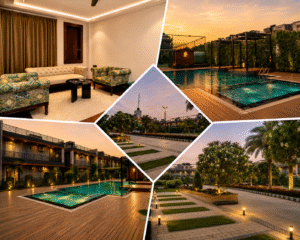
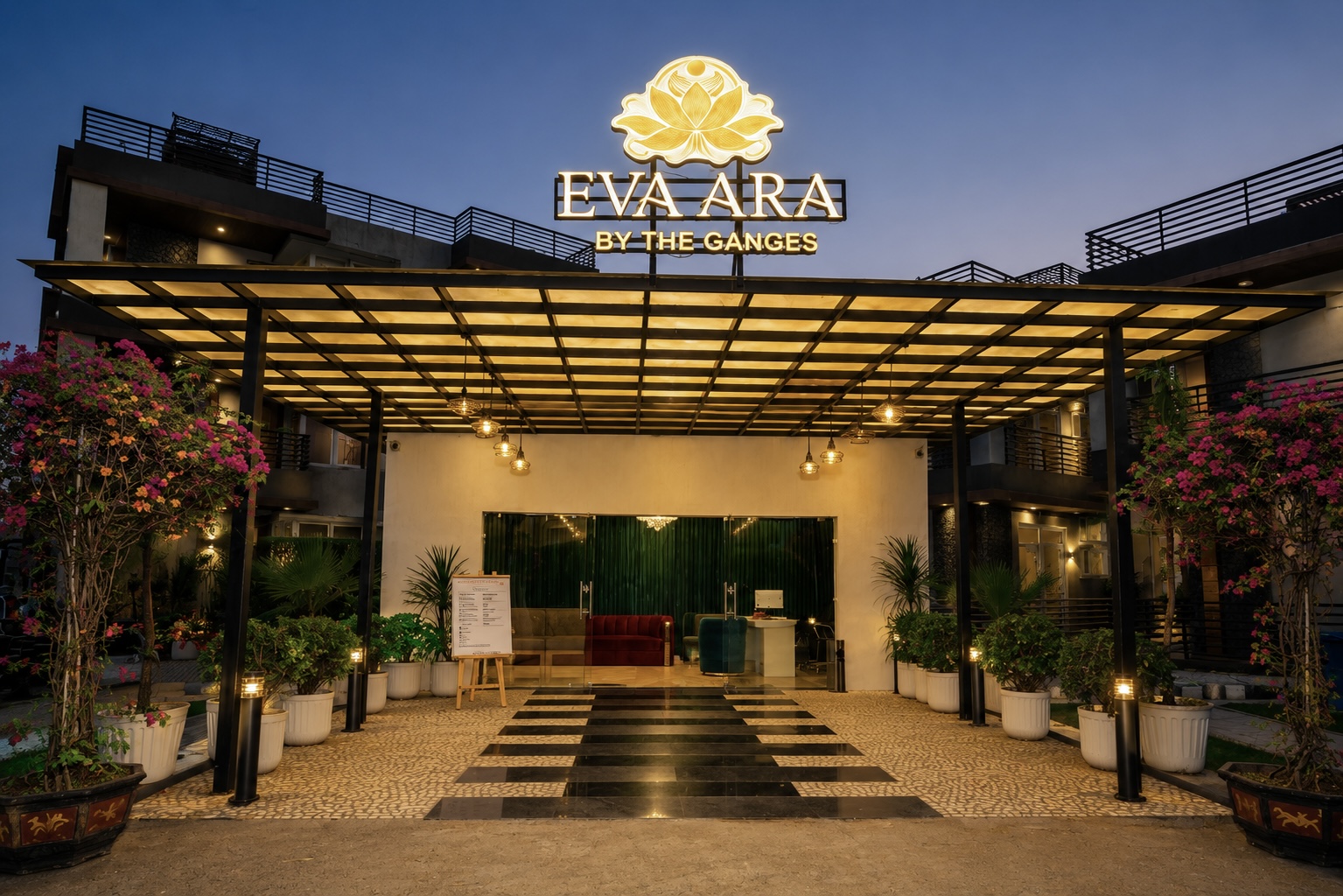
- Riverside Resorts — Properties like Evaara by the Ganges offer a serene, comfortable base combining luxury with proximity to the sacred river
Important: Accommodation books out extremely fast for Amrit Snan dates. It is strongly recommended to secure your stay at least 3–4 months before your planned visit, especially if visiting around March 6–8 or April 14, 2027.
What to Carry: Pilgrim’s Packing Checklist
Essentials:
- Government-issued ID proof (mandatory)
- Printed accommodation details and emergency contacts
- Light, modest clothing — cotton preferred
- Change of dry clothes for after bathing
- Waterproof bag for valuables
- Comfortable walking footwear
Spiritual Items:
- Small container for Ganga Jal (holy water)
- Diyas (earthen lamps) and incense sticks for offerings
- Flowers and rice for aarti/puja
- Personal prayer book or mala (rosary beads)
Health & Comfort:
- Prescribed medications with adequate supply
- Drinking water and light snacks
- Sunscreen, sunglasses, and hat (daytime)
- Warm layers for January–February nights
- Basic first aid kit
- Mosquito repellent (evenings)
Cultural Etiquette at Kumbh Mela
- Dress modestly and respectfully — avoid western casual wear at sacred sites
- Maintain silence and reverence during rituals and prayers
- Do not photograph saints, Naga Sadhus, or rituals without permission
- Do not litter at the ghats or along the riverbank — keep the Ganga sacred
- Respect the queue system at ghats, especially during Amrit Snan
- Avoid consuming non-vegetarian food and alcohol within the mela grounds
- Speak softly and gently — the mela is a sacred space, not a tourist attraction
Beyond the Mela: Exploring Haridwar During Kumbh
While the mela itself is a world within a world, Haridwar’s timeless attractions remain open and enriching throughout the event:
- Mansa Devi Temple — Accessible by cable car from the city, offering divine blessings and panoramic views
- Chandi Devi Temple — A Siddha Peeth with deep spiritual significance
- Rajaji National Park — Wildlife and nature respite just 15 minutes from the city
- Shantikunj Gayatri Parivar — Meditation, yoga, and spiritual learning center
- Bara Bazar — Vibrant market for rudraksha, Ayurvedic products, brass idols, and religious items
Frequently Asked Questions (FAQs)
Q: What is the difference between Kumbh and Ardh Kumbh? Kumbh Mela is held every 12 years at Haridwar. Ardh Kumbh is held every 6 years and carries the same spiritual significance for most pilgrims.
Q: Is a special permit required to attend Kumbh Mela 2027? No special permit is required for general pilgrims. However, registration portals are typically set up closer to the event for organized groups.
Q: When should I arrive on Amrit Snan days? Arrive at least 2–3 hours before sunrise to secure a safe bathing spot and avoid the peak crowd rush.
Q: Is it safe for women and senior citizens to attend? Yes. Dedicated bathing areas, female police officers, and medical assistance camps are set up throughout the mela grounds. Advance planning is key.
Q: Can non-Hindus attend Ardh Kumbh Mela? Absolutely. The Kumbh Mela is open to all visitors who approach the event with respect and reverence for the traditions observed.
Conclusion: A Journey That Transforms
The Ardh Kumbh Mela Haridwar 2027 is more than a religious festival — it is a living, breathing testament to humanity’s eternal quest for the sacred. From the thunderous chants on Amrit Snan mornings to the glittering diyas drifting silently down the Ganga at dusk, every moment at Kumbh carries the weight of centuries of devotion and the promise of spiritual renewal.
Whether you take the holy dip during Maha Shivratri’s divine energy, witness the royal procession of the Naga Sadhus on Mesh Sankranti, or simply sit by the river and absorb the extraordinary atmosphere Ardh Kumbh Mela 2027 will leave a profound and indelible mark on your soul.
Begin your journey. The Ganga is calling.