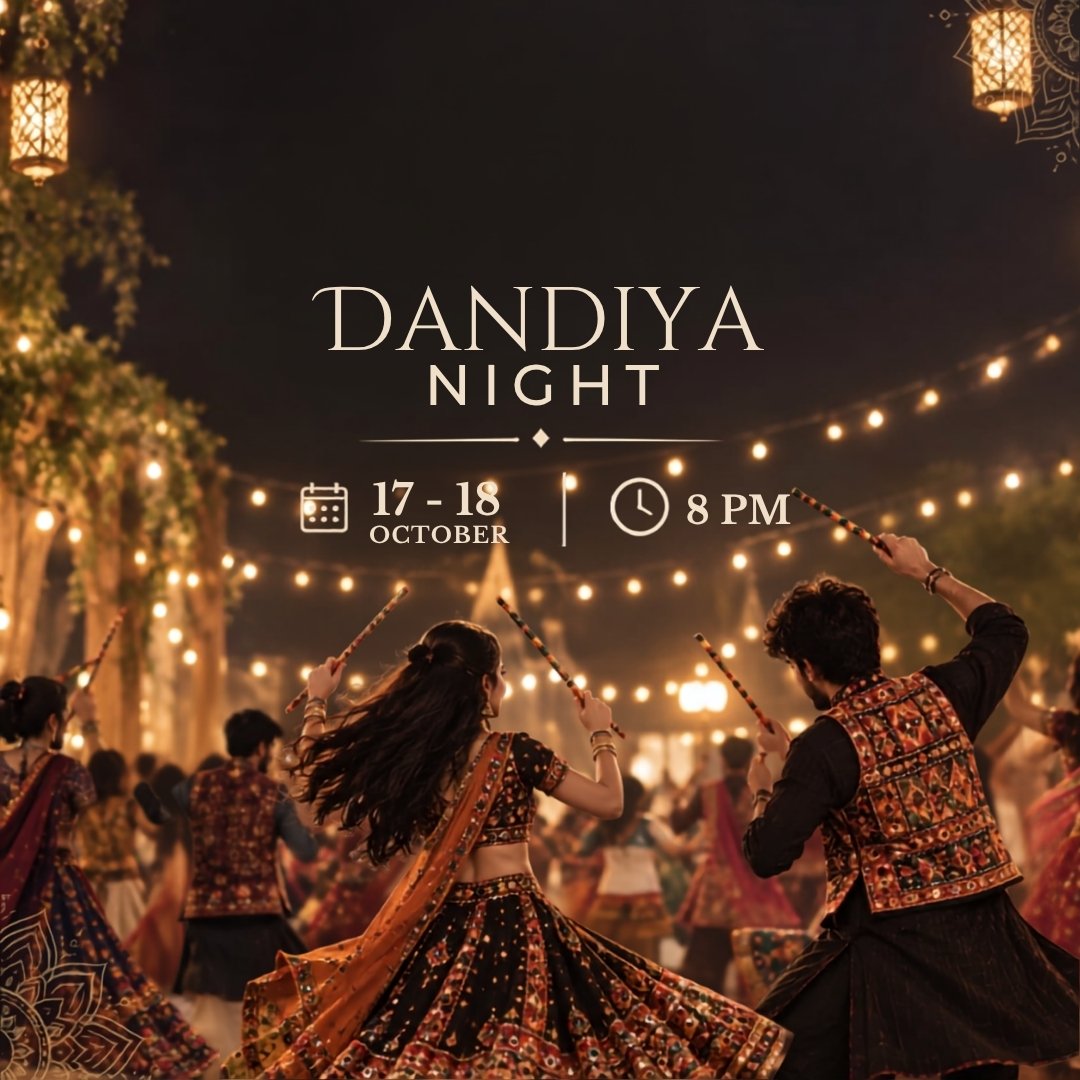
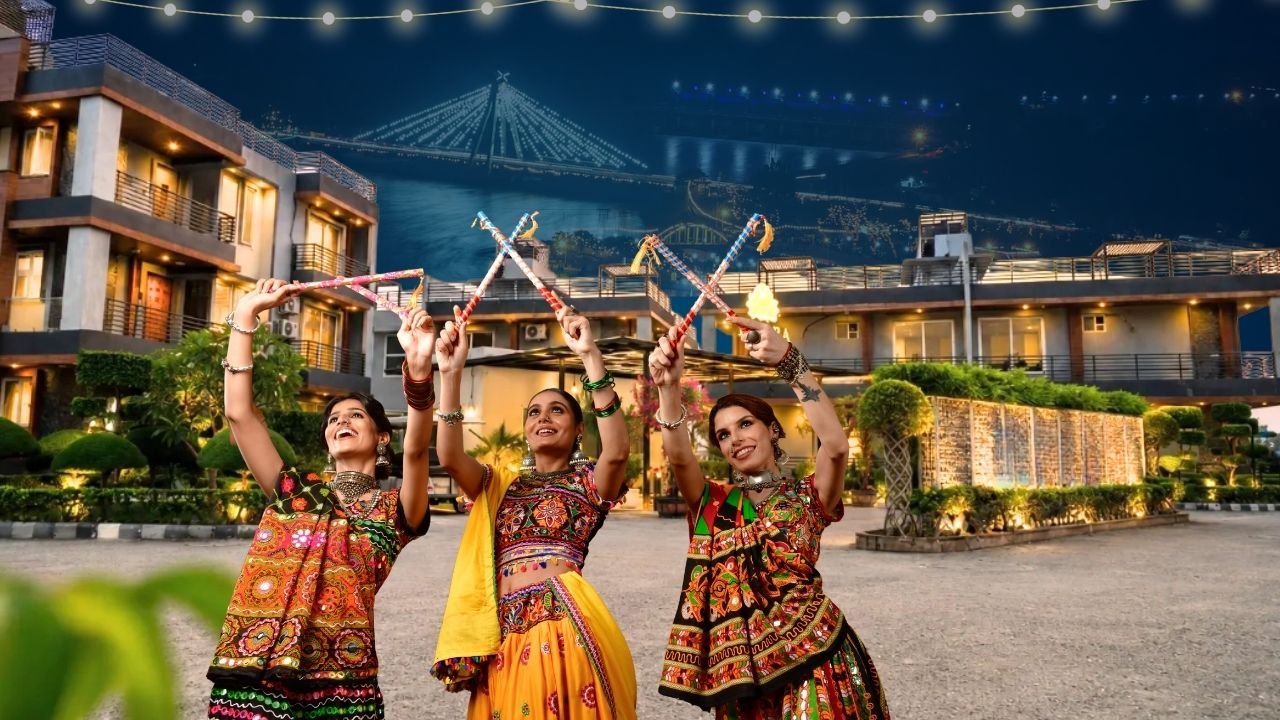
The rhythmic sync of Dandiya sticks hasn’t just begun — it’s counting down to its crescendo. From the intricate footwork being polished in dance studios across India to the glittering chaniya cholis being stitched by skilled artisans, a palpable energy is building. It’s the energy of tradition meeting celebration, of communities preparing to gather, and of generations ready to connect through dance. This year, let’s not merely attend Dandiya — let’s understand it, prepare for it, and ultimately, dance intothe rich tradition it represents.
The Countdown Begins: Why This Season Matters More Than Ever
A Tradition That Connects Generations
As contemporary life becomes increasingly digitized and individualistic, Dandiya stands as one of India’s last bastions of communal, physical celebration. The simple act of wooden sticks meeting rhythmically creates connection between people who might never speak otherwise — bridging generations, socioeconomic backgrounds, and life experiences.
Cultural Resilience Through Celebration
Throughout India’s history, traditions like Dandiya have preserved culture through colonization, modernization, and globalization. Each rhythmic pattern is a living archive of history, each traditional costume stitch preserves artisan knowledge, and each circle formed around the dance floor maintains community cohesion.
The Modern Revival
Recent years have seen a dramatic resurgence in Dandiya’s popularity:
- South Asian diaspora communities organizing large-scale international events
- Mainstream media featuring Dandiya in films and television
- Non-Indian participants respectfully embracing the tradition
- Professional dance academies teaching traditional forms
Counting Down: Your Pre-Dandiya Preparation Timeline
6 Weeks Before: The Foundation Phase
Skills Development
- Enroll in beginner Dandiya classes if you’re new to the dance
- Practice basic rhythmic patterns with friends or family
- Watch tutorials to understand regional variations in style
- Start developing stamina for long hours of dancing
Logistics Planning
- Research major events in your region (tickets often sell out early)
- Form your celebration group — Dandiya is always better with community
- Budget for attire, tickets, and transportation
- Identify traditional vs. commercial events that match your interests
4 Weeks Before: Cultural Deep Dive
Understanding the Significance
- Learn about different regional Dandiya styles (Garba, Raas, etc.)
- Study the underlying mythology — the story of Durga and Mahishasura
- Understand the traditional musical instruments (dhol, tabla, harmonium)
- Read about the artisan communities creating traditional attire
Community Connection
- Identify local community organizations hosting celebrations
- Connect with elders in your family/community to learn their traditions
- Consider volunteering with event preparation teams
- Plan intergenerational participation — involve both elders and youth
2 Weeks Before: Final Preparations
Attire & Equipment
- Finalize traditional wear purchases or rentals
- Break in new footwear for comfort during long dance sessions
- Purchase or create your own Dandiya sticks (lightweight, smooth wood)
- Prepare any accessories or modification needed for safety/comfort
Physical Readiness
- Increase cardiovascular training to build dance stamina
- Practice your steps daily, even if just 15 minutes
- Stretch regularly to prevent injury during celebrations
- Establish proper hydration and nutrition habits for energy
Mindset Preparation
- Set intentions for your participation beyond just entertainment
- Learn traditional songs and their meanings
- Plan moments for spiritual connection amidst celebration
- Consider what “tradition” means personally in your journey
1 Week Before: Final Countdown
Logistics Finalization
- Confirm all transportation and accommodation arrangements
- Purchase any last-minute supplies
- Finalize group coordination plans
- Charge devices and prepare emergency contacts
Cultural Immersion
- Listen to traditional Dandiya music daily
- Review traditional rituals associated with events
- Learn basic songs in Gujarati or the celebration language
- Understand proper etiquette for the specific event type
Mind-Body Connection
- Begin light fasting or dietary preparation if participating traditionally
- Practice mindfulness around cultural respect
- Prepare mentally for large crowds and sensory experiences
- Set personal boundaries for celebrating healthfully
The Dandiya Night Experience Decoded
Traditional Structure of a Dandiya Night
Opening Rituals (First 30 Minutes)
- Aarti or prayer ceremony honoring Goddess Durga
- Traditional singing without dance
- Community acknowledgments
- Setting the spiritual foundation for the evening
Progression Through Speeds (Hours 1–3)
- Slow Traditional Phase: Circular Garba patterns, devotional focus
- Building Momentum: Increased tempo, more complex formations
- Peak Energy: Fast, energetic Dandiya Raas with sticks
- Mixed Phases: Interspersing different styles and speeds
Climax & Closing (Final Hour)
- Fastest, most intense dance sequences
- Traditional closing songs
- Final Aarti or blessing
- Community reflecting and connecting post-dance
The Unspoken Language of the Dance Floor
| Non-Verbal Signal | Traditional Meaning | Modern Interpretation |
|---|---|---|
| Changing Directions | Moving from negative to positive energies | Opportunity to switch partners |
| Eye Contact During Sticks | Mutual respect between dancers | Focus and coordination |
| Circular Movement | Unity and community | Inclusivity in the circle |
| Speed Variations | Different emotional states | Dynamic energy management |
| Approach/Retreat Patterns | Story of spiritual struggle | Narrative through movement |
Tradition vs. Modernity: Navigating the Evolving Celebration
Preserving Sacred Elements
Even as Dandiya evolves commercially, certain elements remain sacred:
- The Circular Formation: Always symbolizes universe and community
- The Central Focus: Traditionally an idol or lamp representing the divine
- The Rhythmic Foundation: Distinct patterns passed through generations
- The Spiritual Intention: Celebration as devotion, not just entertainment
Positive Modern Adaptations
- Inclusive Approaches: Making traditions accessible to diverse participants
- Safety Innovations: Better crowd management and first aid provisions
- Environmental Consciousness: Reducing waste and plastic use
- Technological Integration: Digital ticketing, live streaming for distant relatives
- Artisan Support: Spotlighting traditional craftspeople
Compromises Requiring Awareness
- Commercialization Balance: Maintaining spirit amidst ticket sales
- Cultural Authenticity: Respecting origins while welcoming newcomers
- Generational Connection: Ensuring traditions are transmitted, not just performed
- Spiritual Foundation: Balancing entertainment with devotional intention
Health & Safety: Celebrating Responsibly
Physical Preparation Guidelines
Pre-Event Conditioning
- Cardiovascular fitness for multi-hour dancing
- Strength training for arm stamina with sticks
- Flexibility exercises to prevent injuries
- Hydration strategy before, during, and after
Dance Floor Safety
- Proper footwear with grip
- Awareness of personal space in crowds
- Knowing basic first aid principles
- Establishing group check-in systems
Cultural Wellness
- Understanding tradition’s spiritual dimensions
- Balancing celebration with respect
- Managing sensory overload in large events
- Creating meaningful over merely extensive participation
COVID-Era Considerations (2026 Perspective)
Based on evolving health guidance:
- Up-to-date vaccination if recommended
- Symptom awareness and responsible participation
- Respect individual comfort levels with proximity
- Support events with adequate ventilation and sanitation
The True Countdown: Beyond Calendar Days
The most meaningful preparation isn’t measured in weeks, but in:
Cultural Literacy Countdown
- Understanding Context: Learning Dandiya’s historical and spiritual significance
- Artisan Appreciation: Valuing the craftsmanship behind traditional attire
- Musical Knowledge: Recognizing traditional instruments and compositions
- Community Awareness: Appreciating the event’s role in community cohesion
Personal Transformation Countdown
- From Spectator to Participant: Moving beyond observation to genuine involvement
- From Individual to Community: Shifting focus from self to collective experience
- From Entertainment to Meaning: Finding depth beneath celebration
- From Annual Event to Living Tradition: Integrating values year-round
Different Paths Into Tradition
For First-Time Participants
- Start with community rather than commercial events
- Partner with experienced dancers for guidance
- Focus on enjoyment over perfection
- Ask respectful questions about traditions
For Returning Enthusiasts
- Deepen understanding of spiritual significance
- Mentor newcomers in traditions
- Support traditional musicians and artisans
- Document family or community traditions
For Cultural Ambassadors
- Bridge understanding between communities
- Support authentic representation
- Document and share traditions respectfully
- Advocate for artisan and musician support
The Artisan Behind the Attire: Honoring Traditional Craft
As you prepare your traditional wear, consider the hands that created it:
Traditional Craft Communities
- Zari and Zardozi artisans creating intricate embroidery
- Bandhani (tie-dye) artists preserving ancient techniques
- Patola weavers maintaining heritage weaving methods
- Traditional jewelry makers crafting pieces passed through generations
Conscious Consumption
- Supporting Artisan Livelihoods: Purchasing directly from craft communities
- Preserving Techniques: Choosing traditionally-made over mass-produced
- Cultural Sustainability: Ensuring knowledge transmission continues
- Economic Fairness: Paying fair prices for skilled craftsmanship
Building Your Dandiya Memory
Beyond the event itself, create meaningful preservation:
Digital Documentation Done Right
- Focus on Experience over just visual recording
- Capture Traditions beyond just personal moments
- Share Respectfully with cultural context
- Archive for Future as living family/community heritage
Intergenerational Exchange
- Interview Elders about their Dandiya memories
- Teach Younger Generations traditional elements
- Create Family Traditions around the celebration
- Document Changes in celebrations across decades
Community Contribution
- Support Local Artists and performers
- Volunteer with organizing committees
- Share Skills with newcomers to traditions
- Preserve Spaces where traditions are celebrated
The Final Countdown Checklist
48 Hours Before:
- Confirm all arrangements and tickets
- Finalize attire and accessories
- Rest adequately for energy
- Set spiritual/intentional focus
24 Hours Before:
- Light physical activity (no strenuous exercise)
- Hydration and nutrition focus
- Mental preparation for celebration
- Final practice of basic steps
12 Hours Before:
- Gather all necessary items
- Rest and conserve energy
- Spiritual preparation (if following traditions)
- Community connection with group
The Dance Begins:
- Arrive early to settle into space
- Participate in opening rituals thoughtfully
- Dance with joy and respect
- Appreciate the tradition you’re joining
Frequently Asked Questions (FAQs)
Q: What’s the actual countdown to Dandiya season? A: The countdown typically begins 6-8 weeks before the main Navratri dates. For Navratri 2026 (either 28 September – 7 October or 11–20 October), preparation starts in August or early September.
Q: Are there Dandiya events suitable for absolute beginners? A: Yes! Many community centers, temples, and cultural organizations offer beginner-friendly events with instructional sessions. Look for events specifically labeled as beginner-friendly or community-oriented.
Q: How can we ensure we’re celebrating respectfully as newcomers to the tradition? A: Learn basics before participating, dress modestly and traditionally, participate in opening rituals respectfully, ask questions of community members (at appropriate times), and focus on enjoyment with respect rather than performance.
Q: What should we do if we can’t attend large events? A: Create home celebrations with family, participate in virtual events, support local community centers’ celebrations, or volunteer to help organize smaller, meaningful gatherings.
Q: Is traditional attire mandatory? A: While not always mandatory, wearing traditional attire enhances the experience and shows respect for the tradition. Many venues require or strongly encourage traditional dress for cultural consistency.
Q: How can we continue learning about Dandiya traditions year-round? A: Join cultural organizations, take traditional dance classes, support traditional musicians throughout the year, read about related mythology and history, and connect with community elders about their experiences.
Conclusion: Dancing Beyond the Event
The true countdown isn’t toward a date on the calendar — it’s toward a deeper connection. Connection with traditions that have danced through centuries, with communities gathering in celebration, and with the spiritual heritage that gives these celebrations their soul.
As you prepare your attire, practice your steps, and plan your participation, remember: you’re not just preparing for a night of celebration. You’re stepping into a living tradition, joining a circle that has danced through generations, and adding your rhythm to a cultural heartbeat that has pulsed through centuries.
This year, dance not just with your feet, but with your heart. Not just for entertainment, but for connection. Not just as an observer, but as a participant in a tradition that continues because people like you keep dancing its story forward.