

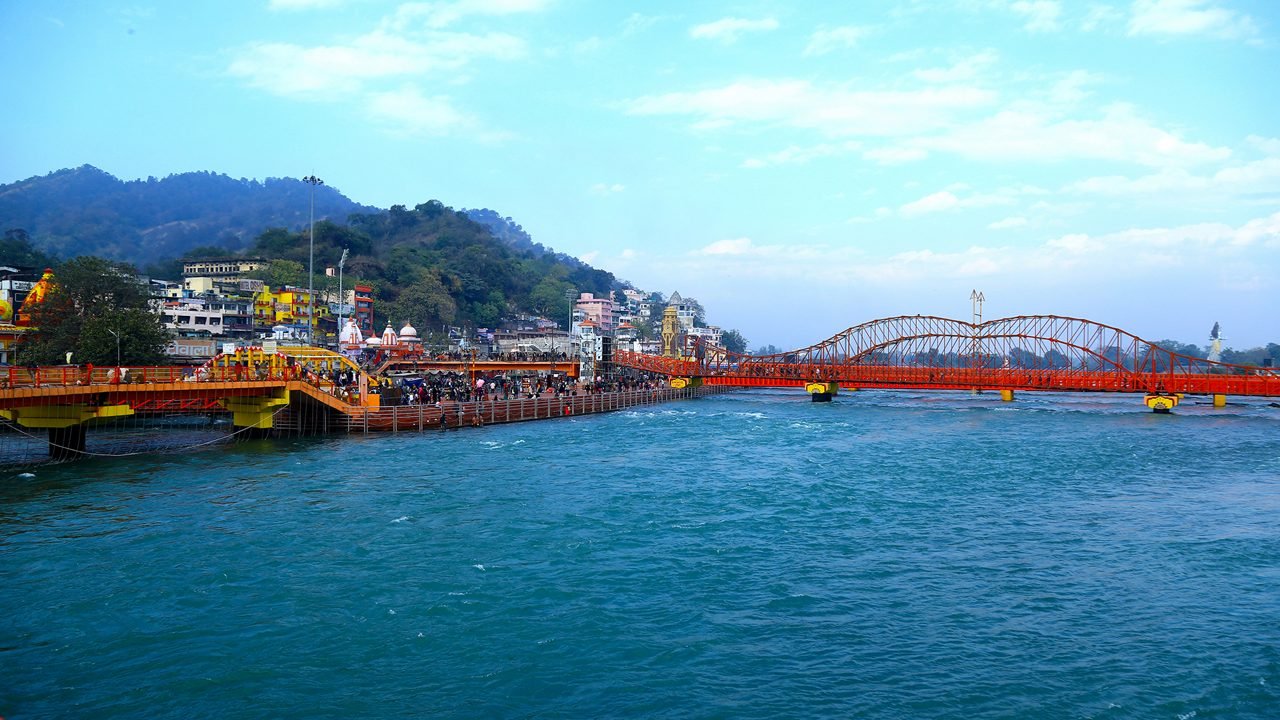
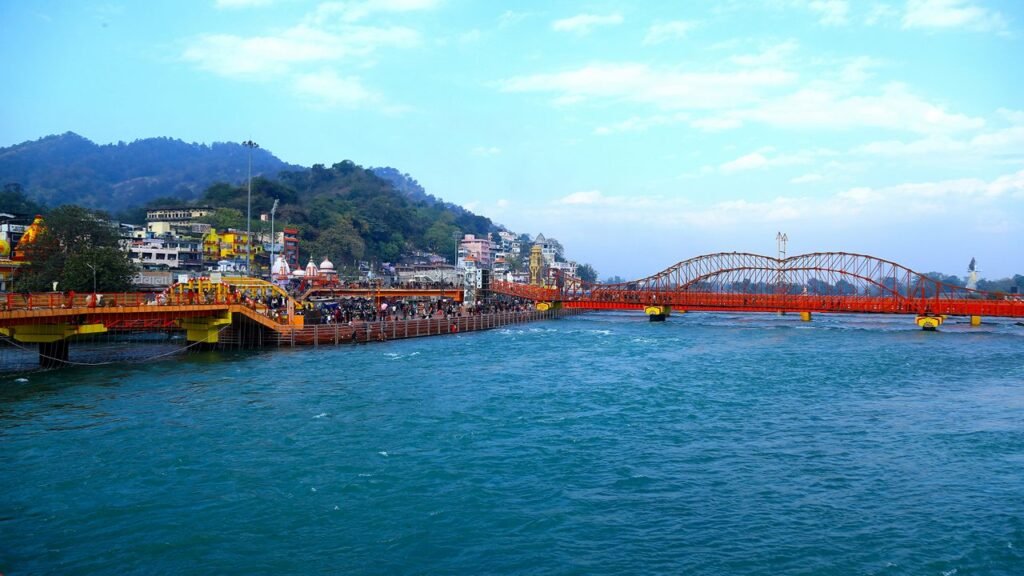
There is a particular kind of energy that wraps itself around Haridwar the moment you arrive the smell of incense, the distant ring of temple bells, the cool rush of the Ganga. And then, within the first hour, you realise something important: Haridwar still runs on cash. The flower vendor at the ghat, the prasad stall near Har Ki Pauri, the rickshaw ride through the narrow lanes of Moti Bazaar many of these transactions happen in crisp notes, not on a payment app. Which makes understanding India’s cash-carrying rules not just a legal exercise, but a genuinely practical one before your visit.
axszaASDFB This guide breaks down exactly how much cash you can carry while travelling in India in 2026, what the rules mean for your Haridwar trip, and how to stay well within legal limits while travelling comfortably.
The Official RBI Position: Is There a Limit?
Let us start with the most common question travellers ask: Is there a legal upper limit on how much Indian rupee cash I can carry while travelling within India?
The answer is layered, and it depends on your profile as a traveller.
For Indian residents travelling domestically, the Reserve Bank of India (RBI) has set a general guideline of ₹25,000 as the recommended cash limit for travel within the country. This is not a hard criminal ceiling it is a threshold above which your cash becomes subject to scrutiny if you are stopped by authorities. If you carry more than this amount and cannot justify its source with documented proof such as a bank withdrawal receipt, salary slip, or business records, you may face questions under the Income Tax Act.
For international travellers arriving in India, the rules are different. Foreign nationals are not permitted to bring Indian rupees (INR) into the country. Indian residents and NRIs returning from abroad may carry up to ₹25,000 in Indian rupee notes upon entry. For foreign currency, there is no upper limit on what you may bring in however, if your cash component exceeds USD 5,000 or your total (cash plus traveller’s cheques) exceeds USD 10,000, you are legally required to declare it to Indian Customs using the Currency Declaration Form (CDF).
What the Income Tax Act Says: The Rules That Actually Matter
Beyond the RBI guideline, it is the Income Tax Act provisions that most directly affect everyday travellers and residents. In 2026, enforcement of these rules has become noticeably stricter. Here is what you need to know:
- Section 269ST prohibits any individual or entity from receiving ₹2 lakh or more in cashfrom a single person in a single day, from a single transaction, or in relation to a single event or occasion. This is the rule that matters most in contexts like weddings, religious events, and tourism-related payments all of which are central to Haridwar.
- Penalty under Section 271DA Violating Section 269ST attracts a penalty equal to 100% of the cash amount received. Receive ₹2.5 lakh in cash for a single hotel booking or event arrangement, and the penalty is ₹2.5 lakh.
- Section 269SS bars cash loans or deposits above ₹20,000. If you are settling a large advance for a heritage hotel stay or a group pilgrimage package, ensure it goes through digital or cheque-based payment.
- Section 40A(3) limits business cash payments to ₹10,000 per person per day. Transporters are given a slightly wider limit of ₹35,000.
- Cash withdrawals above ₹1 crore in a financial year attract a 2% TDS (Tax Deducted at Source) on the excess amount.
What does this mean in plain terms? You can legally carry large amounts of cash if you can prove the source. The legal risk is not in carrying cash it is in being unable to explain it when asked.
Carrying Cash to Haridwar: Practical Reality on the Ground
Haridwar is a city where digital payments and cash coexist but cash often wins. Here is an honest breakdown of how cash flows in a typical Haridwar visit:
- Luxury hotels and resorts: Properties like Pilibhit House, Haveli Hari Ganga, and Radisson Blu accept cards and UPI without question. Large payments at these properties should always be made digitally to stay compliant with Section 269ST’s ₹2 lakh cash limit.
- Ghats and temples: Cash is king here. Offering plates, prasad, flowers, lamp oil these micro-transactions are entirely cash-based and involve small denominations (₹10 to ₹500). Keep a separate pocket stocked with smaller notes.
- Auto-rickshaws and e-rickshaws: Most local transport operators accept UPI via QR code in 2026, but always carry ₹200–₹500 in small change as backup.
- Bazaars and local shopping: Moti Bazaar and Bara Bazaar have a mix of UPI-enabled and cash-only stalls. Budget ₹1,000–₹2,000 for casual shopping per day.
- Dharmashala donations and ashram offerings : These are typically small, voluntary, and cash-based. Keep ₹500–₹1,000 set aside for offerings and donations.
- Ganga Aarti front-row seating: If you wish to secure a preferred viewing spot, fees can range from ₹500 to ₹1,000 and are typically collected in cash. Confirm this with the Ganga Sabha directly.
How Much Cash Should a Haridwar Visitor Realistically Carry?
Based on the legal framework and the on-ground reality of Haridwar in 2026, here is a practical breakdown:
| Travel Type | Recommended Daily Cash | Notes |
|---|---|---|
| Budget traveller | ₹1,500 – ₹3,000 | Covers food, transport, ghats |
| Mid-range traveller | ₹3,000 – ₹6,000 | Includes bazaar shopping, tipping |
| Luxury traveller | ₹5,000 – ₹10,000 | Mostly for experiences, small vendors |
| Group or family trip | ₹10,000 – ₹20,000 | All incidentals, per day |
Keep total trip cash within ₹25,000 where possible. If you need to carry more, ensure you have a bank withdrawal slip or a documented source of funds. Never carry loose, unexplained cash beyond this range while in transit.
Smart Cash Habits for Your Haridwar Trip
Staying legally comfortable and practically prepared comes down to a few simple habits:
- Always withdraw from a bank or ATM and keep the receipt. This single step creates a documentable trail for your cash.
- Use UPI or card for all hotel, resort, and large-purchase payments. This keeps you clear of the ₹2 lakh cash transaction limit under Section 269ST.
- Carry small denominations separately. Dedicate a small wallet or envelope to ghat-specific cash ₹10, ₹20, ₹50, and ₹100 notes.
- Do not accept large cash payments if you are a business or service provider. The ₹2 lakh limit applies to the receiver, not just the sender.
- Carry a valid photo ID at all times. If questioned about cash by authorities, your identity documents and bank receipts together provide sufficient context.
- Use the ATITHI app if you are an international traveller carrying foreign currency above the declaration threshold. It allows you to pre-declare before landing in India.
A Note for Foreign Visitors Coming to Haridwar
If you are travelling to Haridwar from outside India, do not bring Indian rupees into the country it is not permitted for foreign nationals. Exchange your currency at the airport, at an authorized forex dealer in the city, or use an international debit card at an ATM. Most ATMs in Haridwar dispense ₹500 and ₹2,000 notes. Daily ATM withdrawal limits in India typically range from ₹10,000 to ₹25,000 depending on your bank and card type.
Final Thought
Haridwar rewards those who come prepared. Understanding the cash rules is not about bureaucratic compliance it is about travelling with clarity and confidence. Carry what you need, document where it comes from, pay large amounts digitally, and save your crisp notes for the moments that matter most: the gentle flicker of a lamp at Har Ki Pauri, a marigold garland at the ghat, a warm cup of chai from a corner stall at dawn.