
Haridwar Unveiled: A Complete Guide to Spiritual Beauty & Sacred Sites
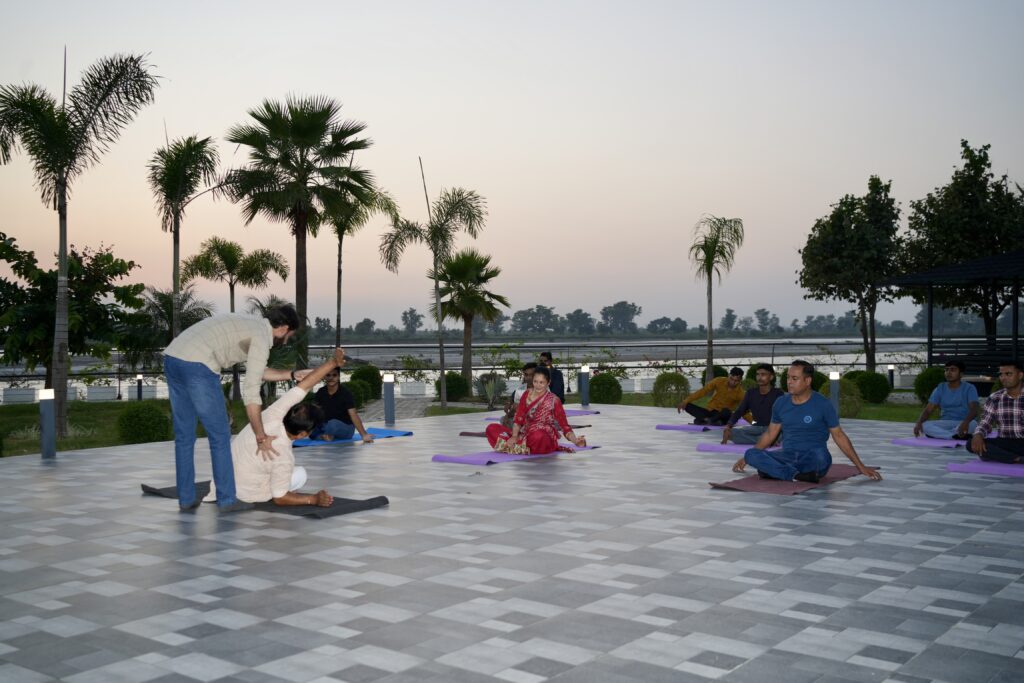
Haridwar—the name itself evokes images of sacred waters, ancient temples, and spiritual seekers from across the world. Translating to “Gateway to God,” this holy city where the Ganges descends from the Himalayas into the plains has been a pilgrimage destination for millennia. Yet Haridwar is not frozen in the past; it’s a living, breathing testament to India’s ability to honor ancient traditions while embracing contemporary comforts. This complete guide unveils Haridwar’s spiritual treasures, sacred sites, and transformative experiences. And for those seeking to explore this divine destination without sacrificing modern luxury, Evaara by the Ganges offers the perfect sanctuary—luxury riverfront accommodation in Haridwar that places you at the heart of spiritual beauty while enveloping you in comfort and sophistication. The Sacred Geography: Understanding Haridwar’s Spiritual Significance Gateway Between Heaven and Earth Haridwar occupies one of Hinduism’s most auspicious locations. According to ancient texts, the Ganges—personified as the goddess Ganga—descends from heaven through Lord Shiva’s matted locks and flows into the mortal realm at this precise spot. This makes Haridwar one of seven Sapta Puri (seven sacred cities) where liberation from the cycle of birth and death is believed possible. The city’s spiritual importance is further amplified by being one of four sites hosting Kumbh Mela, the largest religious gathering on earth. Every twelve years, millions converge here for ritual bathing, creating a spectacle of faith unmatched anywhere in the world. The Ganges: River of Life and Liberation Understanding Haridwar requires understanding the Ganges’ significance. She’s not merely a river—she’s mother, goddess, purifier, and witness to India’s civilization. Her waters are believed to carry the power to cleanse karma, heal ailments, and grant spiritual merit. This belief draws countless pilgrims who come to bathe, pray, and offer rituals for ancestors. The Ganges at Haridwar is notably different from downstream locations—here, the water is clear, cold, and fast-flowing, having just emerged from the mountains. The purity and power are palpable, making this stretch particularly sacred. Essential Sacred Sites: The Spiritual Circuit 1. Har Ki Pauri: The Footsteps of God Har Ki Pauri—”Footsteps of God”—is Haridwar’s most sacred ghat. Legend states that Lord Vishnu left his footprint on a stone here, though the exact stone remains a subject of devotion and debate. The ghat’s spiritual energy is undeniable, particularly during the evening Ganga Aarti. The Evening Aarti: As dusk approaches, priests in traditional dress gather on the elevated platform. With the ringing of bells and chanting of mantras, they perform synchronized rituals with massive brass lamps holding multiple wicks. The flames create hypnotic patterns against the darkening sky while their reflections dance on the water. Thousands of pilgrims watch, participate, and float small leaf boats with candles and flowers downstream—prayers and wishes released to the divine. Morning Bathing: Dawn at Har Ki Pauri offers a different experience. As the first light touches the water, devotees take ritual baths, priests perform private ceremonies, and the air fills with the sounds of prayer and temple bells. It’s peaceful, profound, and deeply moving. For those staying at the best hotels in haridwar near ganga river for family like Evaara by the Ganges, Har Ki Pauri is easily accessible while your accommodations provide a tranquil retreat from the intensity of the ghats. 2. Mansa Devi Temple: The Wish-Fulfilling Goddess Perched atop Bilwa Parvat hill, Mansa Devi Temple is dedicated to the goddess who grants wishes. Reaching the temple involves either a scenic cable car ride offering panoramic views of Haridwar and the Ganges, or a challenging trek of about 1.5 kilometers. The temple’s most distinctive feature is the wish tree where devotees tie threads while making their prayers. The tree, covered in thousands of colorful threads, creates a striking visual metaphor for collective hope and faith. Practical Tip: Visit early morning to avoid crowds and heat. The cable car operates from 7 AM to 7 PM. 3. Chandi Devi Temple: The Fierce Protector On Neel Parvat hill across the river, Chandi Devi Temple honors Goddess Chandi, a fierce form of Shakti who slayed demons Shumbha and Nishumbha. The temple, built in 1929, preserves the ancient shrine dating back centuries. Like Mansa Devi, Chandi Devi is accessible by cable car or trek. The journey—particularly the trek—becomes a pilgrimage in itself, with each step carrying spiritual intention. The temple complex offers stunning views and a peaceful atmosphere despite being a major pilgrimage site. 4. Maya Devi Temple: Haridwar’s Ancient Heart Maya Devi Temple is considered Haridwar’s oldest temple and one of the 51 Shakti Peethas (power centers) where body parts of Goddess Sati fell after Lord Shiva’s cosmic dance of destruction. Specifically, the heart and navel are believed to have fallen here. Unlike hilltop temples, Maya Devi sits in the city’s heart, easily accessible and integrated into daily life. The temple complex includes shrines to various deities, creating a comprehensive spiritual experience. 5. Daksh Mahadev Temple: Mythological Drama in Stone Located in Kankhal (about 4 km from Haridwar’s center), Daksh Mahadev Temple tells the dramatic story of King Daksha’s yagna (fire sacrifice) that Lord Shiva disrupted after Daksha insulted him. The temple’s intricate carvings depict this mythological narrative, while the peaceful atmosphere invites contemplation of dharma (righteousness), pride, and divine justice. 6. Bharat Mata Mandir: Unity in Diversity Unlike traditional temples dedicated to deities, Bharat Mata Mandir honors Mother India herself. This unique eight-story temple features floors dedicated to different aspects of Indian civilization—heroes, freedom fighters, saints, and finally, at the top, the eternal divine principles underlying all manifestations. The temple offers perspective on Haridwar’s role within India’s broader spiritual landscape and provides panoramic views of the city from its upper floors. 7. Sapt Rishi Ashram and Sapt Sarovar Four kilometers from the city center, Sapt Rishi Ashram marks where seven great sages (sapt rishis) meditated. Here, the Ganges mysteriously splits into seven channels, a phenomenon that adds to the location’s spiritual mystique. The peaceful setting, away from Haridwar’s crowds, offers a contemplative space for meditation and reflection. The surrounding ashram maintains traditional spiritual practices, allowing visitors to experience ashram
Must-See Experiences: Top Things to Do in Haridwar & Rishikesh
The twin spiritual capitals of India—Haridwar and Rishikesh—offer a journey that transcends typical tourism. Nestled where the Ganges descends from the Himalayas into the plains, these sacred cities provide experiences that feed the soul, challenge the body, and inspire the mind. Whether you’re seeking spiritual enlightenment, adventure thrills, cultural immersion, or simply a peaceful escape from urban chaos, this region delivers in abundance. And when it comes to experiencing these wonders with the perfect balance of authenticity and comfort, Evaara by the Ganges serves as your ideal home base—offering luxury riverfront accommodation in Haridwar that places you at the heart of everything while providing a serene sanctuary to return to after each day’s adventures. Sacred Haridwar: Where Heaven Meets Earth 1. Witness the Mesmerizing Ganga Aarti at Har Ki Pauri No visit to Haridwar is complete without experiencing the evening Ganga Aarti at Har Ki Pauri—arguably one of India’s most spectacular spiritual ceremonies. As dusk falls, thousands gather on the ghats as priests in saffron robes perform synchronized rituals with massive brass lamps. The flames dance against the darkening sky, their reflections shimmering on the Ganges as devotional songs fill the air with ancient Sanskrit chants. The ceremony isn’t merely a visual spectacle—it’s a visceral experience that connects you to thousands of years of continuous tradition. For first-timers, staying at the best hotels in haridwar near ganga river for family like Evaara by the Ganges offers the advantage of easy access to Har Ki Pauri while providing a peaceful retreat after the intense sensory experience. Insider Tip: Arrive 30-45 minutes early to secure a good viewing spot. The aarti typically begins at sunset, with timing varying by season. 2. Take a Holy Dip in the Ganges For Hindus, bathing in the Ganges at Haridwar is believed to wash away sins and purify the soul. But even for non-religious visitors, the experience of immersing yourself in these sacred waters carries profound symbolism—a washing away of the old, a renewal of spirit. The main bathing ghats include Har Ki Pauri, Gau Ghat, and Subhash Ghat. Early morning is the most auspicious and peaceful time, when mist rises from the water and the first light paints the sky in pastels. Safety Note: The Ganges’ current can be strong. Stay in designated bathing areas and be mindful of depth. Many prefer to simply dip their feet or sprinkle water as a symbolic gesture. 3. Explore Ancient Temples Haridwar is home to numerous temples, each with unique significance: Mansa Devi Temple: Perched atop Bilwa Parvat hill, accessible by cable car, this temple dedicated to Goddess Mansa Devi offers panoramic views of Haridwar and the surrounding landscape. The tradition of tying threads on the temple tree while making wishes creates a colorful, moving display of collective hope. Chandi Devi Temple: Another hilltop shrine, reached via cable car or a challenging hike, dedicated to Goddess Chandi. The journey itself becomes a pilgrimage, with each step carrying spiritual significance. Daksh Mahadev Temple: This ancient temple tells the mythological story of King Daksha and Lord Shiva, with elaborate carvings depicting the tale. 4. Shop in Traditional Bazaars The markets near the ghats—particularly Bara Bazaar and Moti Bazaar—offer sensory overload in the best way. Shops overflow with religious items, traditional clothing, handicrafts, and Ayurvedic products. The air is thick with incense smoke, and vendors call out their wares in melodic pitches that have remained unchanged for generations. What to Buy: Rudraksha beads, brass prayer bells, traditional Indian sweets (especially Haridwar’s famous gulab jamun and ladoos), ayurvedic medicines, and spiritual books. 5. Experience Rajaji National Park For nature enthusiasts, the best resort near Rajaji National Park—Evaara by the Ganges—provides convenient access to this pristine wilderness. Rajaji National Park spans over 820 square kilometers of Himalayan foothills, home to elephants, tigers, leopards, and over 400 bird species. Activities: After a day of wildlife adventure, returning to your luxury accommodation to unwind is the perfect end to an exciting day. 6. Take a Heritage Walk Haridwar’s old city contains narrow lanes filled with history. Heritage walks (which Evaara can arrange) take you through these traditional neighborhoods, explaining architectural features, historical significance, and cultural practices that continue today. Adventurous Rishikesh: Yoga Capital Meets Adventure Hub Just 25 kilometers from Haridwar, Rishikesh offers a different energy—younger, more international, combining spirituality with adventure sports. 7. White Water Rafting on the Ganges Rishikesh has become synonymous with white water rafting. The stretch from Shivpuri to Rishikesh offers rapids of varying difficulty—from beginner-friendly to challenging runs that will test experienced rafters. Popular Stretches: Rapids Names: Each rapid has colorful names—”Golf Course,” “Three Blind Mice,” “Return to Sender”—reflecting their character and challenge level. Between rapids, the river calms, allowing you to float peacefully through dramatic gorges while eagles soar overhead. 8. Explore Iconic Suspension Bridges Rishikesh’s suspension bridges are landmarks: Laxman Jhula: Built in 1929, this 450-foot iron suspension bridge swaying over the Ganges has become an iconic image of Rishikesh. According to legend, this is where Laxman (Lord Rama’s brother) crossed the river on jute ropes. Ram Jhula: A larger, newer suspension bridge offering similar views and experiences. Walking across these bridges—dodging motorcycles, cows, and throngs of pilgrims and tourists—while looking down at the turquoise Ganges flowing far below is thrilling and slightly terrifying in equal measure. 9. Attend Yoga Classes Rishikesh earned its reputation as the “Yoga Capital of the World” for good reason. Countless ashrams and yoga schools offer drop-in classes, week-long courses, or month-long teacher training programs. For those staying at Evaara by the Ganges, the wellness and yoga retreat by the Ganges experience brings authentic practice to you. The resort’s expert instructors offer traditional yoga that goes beyond Western fitness interpretations, incorporating pranayama (breath work), meditation, and philosophical teachings. Popular Yoga Centers in Rishikesh: 10. Visit the Beatles Ashram The Maharishi Mahesh Yogi Ashram—where The Beatles stayed in 1968—has been abandoned for decades and is now a surreal combination of crumbling architecture, lush vegetation, and vibrant graffiti art. It’s a fascinating place exploring the intersection