When to Visit Haridwar: A Seasonal Guide to Sacred Festivals and Serene Getaways
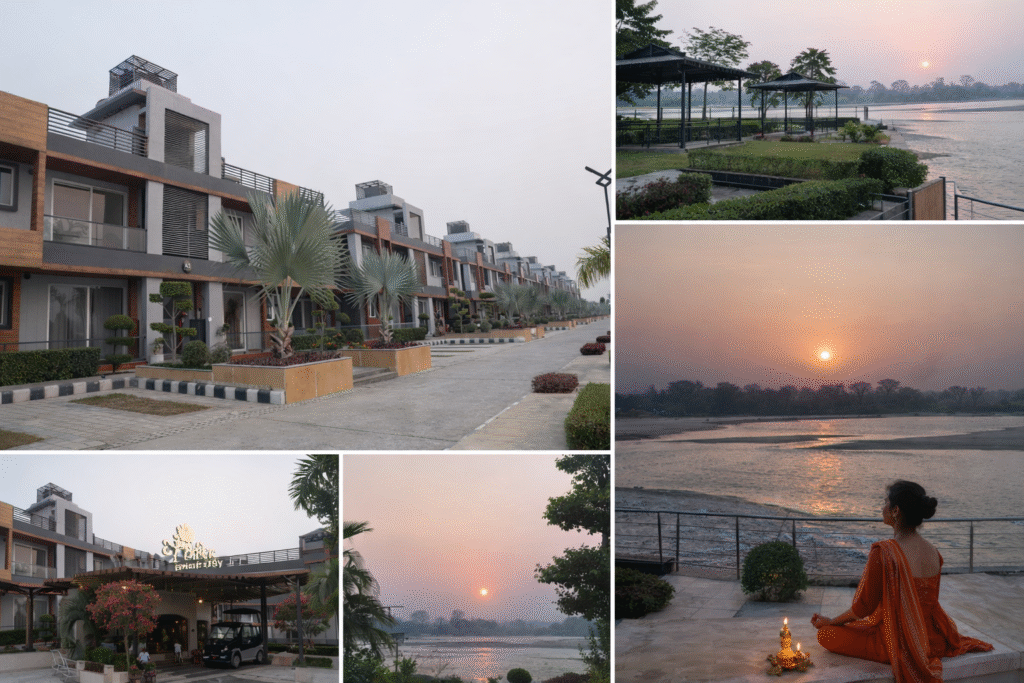
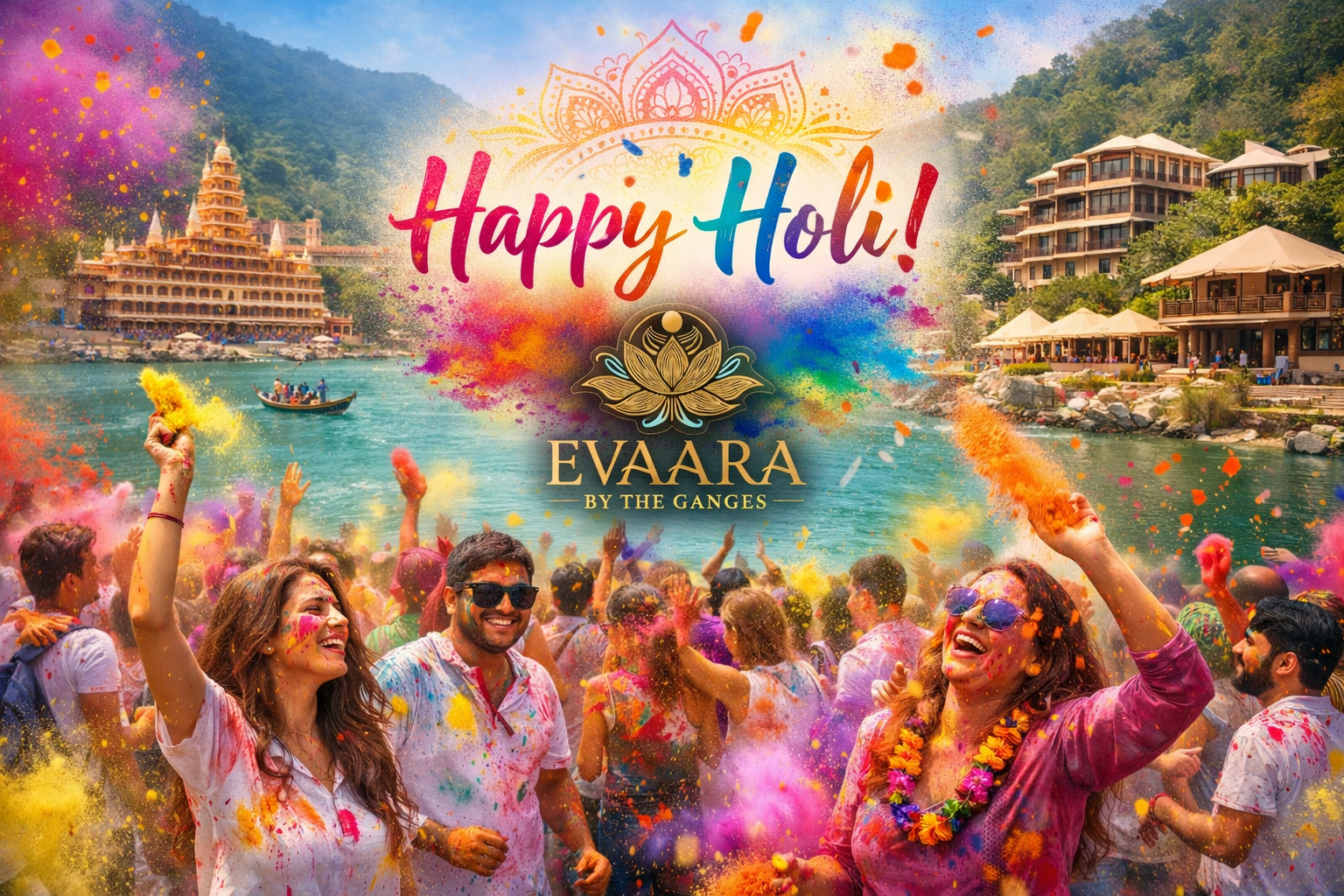
Timing Your Journey to India’s Gateway to the Gods Haridwar, where the sacred Ganges emerges from the Himalayan foothills to begin its journey across the Indian plains, offers profoundly different experiences depending on when you visit. This ancient city pulses with varying rhythms throughout the year—sometimes swelling with millions of pilgrims during grand festivals, other times offering tranquil riverside moments for contemplative souls. Understanding these seasonal patterns and festival cycles transforms a good visit into a perfectly timed pilgrimage, ensuring your Haridwar experience aligns with your deepest intentions. Whether you seek the electric energy of mass devotion during major festivals, the serene intimacy of quiet spiritual practice, or the perfect balance between cultural immersion and comfortable exploration, this comprehensive seasonal guide will help you choose your ideal window for visiting Haridwar and experiencing the exceptional hospitality of Evaara by the Ganges. Winter Wonderland: November to February The Season of Perfect Conditions Winter represents Haridwar’s peak season for good reason. From November through February, the weather achieves near-perfection for temple visits, ghat explorations, and riverside contemplation. Daytime temperatures hover between 15-25°C, while nights can drop to 5-10°C, creating crisp, invigorating air that makes the morning Ganga Aarti especially powerful. The clear winter skies reveal the Shivalik hills in sharp detail, and on exceptionally clear days, distant Himalayan peaks shimmer on the northern horizon. The Ganges itself flows with crystalline clarity during these months, and the morning mist rising from its surface creates ethereal scenes that photographers and spiritual seekers alike treasure. This season attracts significant crowds, particularly during December and January when domestic tourists combine spiritual journeys with holiday travel. However, Haridwar never feels overwhelming during winter in the way it does during major festivals. The crowds are manageable, the atmosphere remains devotional rather than chaotic, and accommodations like Evaara by the Ganges provide peaceful sanctuaries away from the bustle. Winter Festivals and Observances Kartik Purnima (November) marks an auspicious full moon when bathing in the Ganges carries special merit. Thousands gather at Har Ki Pauri for ritual bathing, but the atmosphere remains celebratory rather than frenzied. The evening Ganga Aarti on Kartik Purnima achieves particular beauty, with devotees releasing countless diyas (oil lamps) onto the river’s surface, transforming the Ganges into a flowing constellation. Gita Jayanti (December) celebrates the day Lord Krishna delivered the Bhagavad Gita to Arjuna on the battlefield of Kurukshetra. Special readings and discourses occur at temples and ashrams throughout Haridwar, offering opportunities to engage with Hindu philosophy at its most accessible. Makar Sankranti (January 14-15) signifies the sun’s transition into Capricorn and is considered highly auspicious for holy bathing. This festival draws substantial crowds but remains manageable compared to larger festivals. The ritual bathing at dawn, followed by charitable donations of sesame seeds and jaggery, creates an atmosphere of both devotion and community generosity. Why Choose Winter at Evaara by the Ganges Winter stays at Evaara by the Ganges offer unique advantages. The property’s Ganga-facing lawns become ideal spaces for outdoor yoga and meditation—the cool morning air invigorates practice, while afternoon warmth makes lounging by the river genuinely pleasant. The swimming pool, while refreshing in summer, takes on a different character in winter—early morning swims in cool water followed by warm sunshine create an exhilarating contrast. The private ghat becomes especially valuable during winter when public ghats see increased traffic. Being able to experience the Ganges intimately, without crowds, during this beautiful season represents a significant advantage. Morning meditations wrapped in warm shawls, watching mist rise from the river as the sun breaks over the hills, become daily rituals that guests treasure long after their visit ends. Spring Awakening: March to April The Season of Festivals and Transformation Spring in Haridwar brings warming temperatures, blooming flowers, and some of the year’s most significant festivals. March and April see daytime temperatures climbing from 20-30°C, creating warm days ideal for exploration while evenings remain pleasantly cool. The landscape transforms with spring blossoms, and the increased water flow in the Ganges as snow begins melting in the high Himalayas adds power and volume to the sacred river. This season represents perhaps the most culturally rich time to visit Haridwar, as multiple major festivals occur in quick succession, each offering distinct experiences and insights into Hindu devotional life. Holi: The Festival of Colors Holi, typically falling in March, transforms Haridwar into an explosion of color, joy, and spiritual celebration. This ancient festival celebrating the victory of good over evil, the arrival of spring, and the divine love of Radha and Krishna creates an atmosphere unlike any other time of year. Celebrating Holi at Evaara by the Ganges: An Exclusive Experience For Holi 2026, Evaara by the Ganges has crafted an exceptional three-day package (March 3-5, 2026) that captures the festival’s essence while providing the comfort and authenticity discerning travelers seek. Day One (March 3rd) begins with traditional arrival from 2:00 PM onwards. Unlike typical hotel check-ins, your welcome becomes a sacred ceremony—Aarti with flickering flames, Tikka blessing your forehead, fresh garlands honoring you as an esteemed guest, and specially prepared detox water beginning your purification journey. This thoughtful welcome immediately establishes that you’re not merely a tourist but a participant in something sacred. The Indian buffet lunch at Satvaraasa introduces you to regional specialties and festival foods, preparing your palate for the culinary journey ahead. Your afternoon unfolds at leisure across Evaara’s extensive grounds—capture memories at designated selfie points, relax in the riverside gazebo, refresh in the swimming pool, engage in friendly competition at the sports zone, or simply absorb the Ganges’ energy from the expansive lawns. As evening approaches, the cutting chai served at the stall near the Ganga Ghat offers an authentic touch—this isn’t refined hotel tea but the strong, sweet chai Indians have enjoyed for generations, served in small glasses that encourage conversation and connection. The Ganga Aarti at Evaara’s private ghat follows, providing an intimate spiritual experience before the main event: Holika Dahan. The Holika Dahan bonfire on the eve of Holi represents the burning of the demoness Holika