
Discover Haridwar the Smart Way: Your Complete Guide to a Perfect Vacation
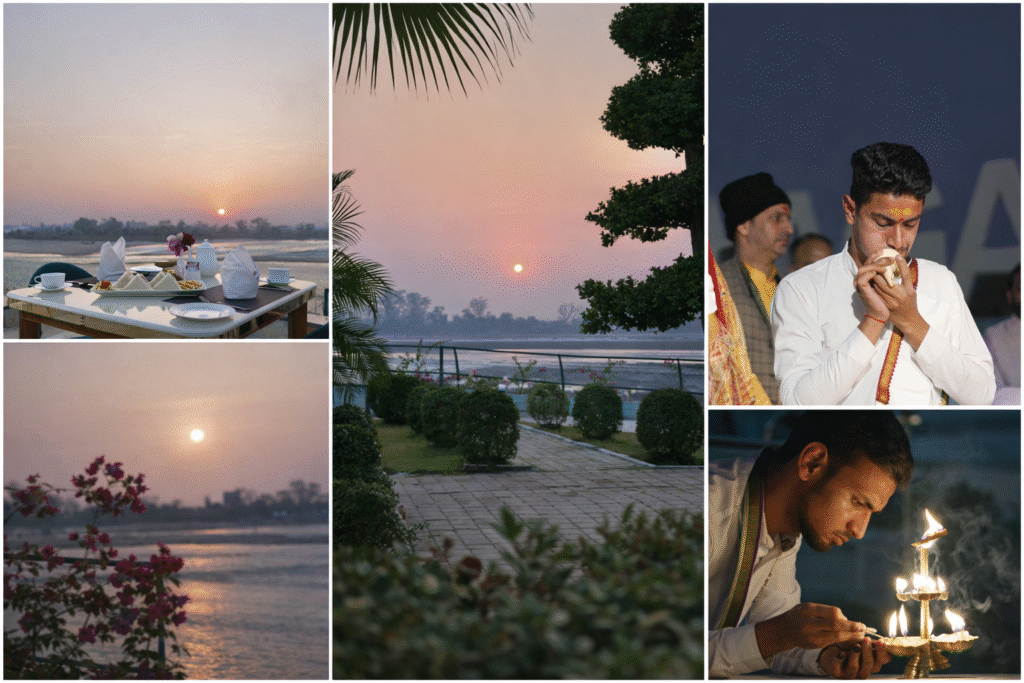
Planning Your Sacred Journey with Intelligence and Insight Haridwar, one of India’s seven holiest cities, welcomes millions of visitors annually who come seeking spiritual solace, cultural immersion, and the transformative experience of bathing in the sacred Ganges. However, the difference between a chaotic, overwhelming visit and a truly perfect vacation often comes down to smart planning and insider knowledge. This comprehensive guide will help you navigate Haridwar intelligently, maximizing your experience while minimizing common pitfalls that many first-time visitors encounter. Whether you’re a spiritual seeker, cultural enthusiast, or simply curious traveler, discovering Haridwar the smart way means understanding when to visit, where to stay, what to prioritize, and how to experience this ancient city’s profound energy without getting lost in tourist traps or logistical nightmares. Timing Your Visit: The Smart Traveler’s Calendar The first smart decision involves choosing when to visit Haridwar. While the city receives pilgrims year-round, your experience will vary dramatically depending on season and special events. October to February represents the ideal window for most travelers. The weather remains pleasant with daytime temperatures ranging from 15-25°C, perfect for temple visits and ghat exploration. Clear skies offer stunning views of the Shivalik hills, and the cooler temperatures make walking through crowded areas more comfortable. This is smart timing for those prioritizing comfort alongside spirituality. March to May brings warmer weather, with temperatures climbing to 35-40°C by late April and May. However, smart travelers know this period offers advantages—fewer crowds at major sites, better hotel rates, and the opportunity to experience Haridwar at a more relaxed pace. If you can handle the heat, this might be your window for a more intimate experience. Monsoon season (June to September) presents challenges—humidity, occasional flooding, and slippery ghats—but also dramatic beauty. The Ganges swells with mountain runoff, taking on a powerful, almost wild character. Smart travelers willing to embrace unpredictability often find this season spiritually intense and photographically stunning. Festival timing requires special consideration. Kumbh Mela, occurring every twelve years with a smaller Ardh Kumbh every six years, transforms Haridwar into the world’s largest religious gathering. Witnessing this is extraordinary, but requires extensive advance planning. Annual festivals like Kanwar Yatra (July-August) and Diwali (October-November) also create massive crowds. Smart planning means either specifically targeting these events or avoiding them if you prefer a quieter experience. Choosing Your Base: Why Evaara by the Ganges Makes Smart Sense Perhaps the single most important decision affecting your Haridwar vacation is where you base yourself. The city offers accommodations ranging from basic ashrams to luxury hotels, but truly smart travelers understand that location, amenities, and atmosphere combine to either enhance or diminish your entire experience. Evaara by the Ganges represents the smart choice for discerning travelers who understand that a perfect vacation requires balance—between spiritual immersion and physical comfort, between authentic experience and modern convenience, between budget consciousness and value-driven spending. Strategic Location: Located directly along the Ganges, Evaara by the Ganges positions you at the heart of what matters most—the sacred river itself. Unlike hotels situated in Haridwar’s congested interior, where navigating traffic and crowds becomes exhausting, this riverside location provides immediate access to the Ganges while maintaining a peaceful atmosphere. Smart travelers recognize that saving time and stress through strategic location is invaluable. Private Ghat Access: One of the smartest advantages of staying at Evaara by the Ganges is the property’s private ghat. While thousands crowd Har Ki Pauri daily, you can experience the Ganges intimately at any hour. Morning meditations by the river, evening contemplation without jostling crowds, even a peaceful dip in the sacred waters—these become possible through private ghat access. This single amenity often proves more valuable than any other feature, allowing you to connect with the Ganges on your own terms and timeline. Exceptional Dining: Smart travelers know that dining experiences significantly impact vacation satisfaction. Satvaraasa, the multi-cuisine restaurant at Evaara by the Ganges, solves a common dilemma—how to honor the region’s vegetarian tradition while satisfying diverse palates. The extensive buffet format means families with varied preferences all find satisfaction, while the quality of preparation ensures you’re nourishing your body properly throughout your spiritual journey. After days of rich temple prasad and street food (both delicious but potentially challenging for unaccustomed digestive systems), having reliable, high-quality dining becomes a genuine relief. Thoughtful Amenities: The swimming pool, Ganga-facing lawns, gazebo, and sports zone provide important balance. Smart travelers understand that even spiritual journeys require downtime and variety. Children need places to play, couples need romantic spaces for connection, and everyone benefits from the option to simply relax rather than constantly sightsee. These amenities transform Evaara by the Ganges from merely a place to sleep into a destination within your destination. Daily Ganga Aarti: The evening Ganga Aarti performed at Evaara’s ghat represents smart vacation design—accessing an essential Haridwar experience without the chaos of Har Ki Pauri’s massive gatherings. You can attend the intimate ceremony at your accommodation, then venture to Har Ki Pauri on a separate evening to experience the large-scale version. This dual approach gives you perspective on both intimate devotion and collective faith. Smart Sightseeing: Prioritizing Your Temple and Ghat Visits Haridwar contains dozens of temples and numerous ghats. Smart travelers prioritize strategically rather than attempting to see everything, which leads to exhaustion and diminished appreciation. Har Ki Pauri remains essential and deserves at least two visits—one during quiet morning hours when serious practitioners dominate, and once during evening Aarti when the energy peaks. The smart approach involves arriving early morning (by 6 AM) to witness the ghat at its most authentic, then returning at sunset (around 6-7 PM depending on season) for the spectacular Aarti ceremony. Avoid midday visits when heat and crowds maximize discomfort. Mansa Devi Temple and Chandi Devi Temple, both accessible via cable car, offer spiritual significance plus spectacular views. The smart strategy involves visiting one per day rather than both in a single exhausting afternoon. Morning visits avoid the worst heat and longest queues. The cable car rides themselves provide perspective on Haridwar’s geography and the Ganges’ path